Buy unterricht.eu ?
We are moving the project
unterricht.eu .
Are you interested in purchasing the domain
unterricht.eu ?
domain@kv-gmbh.de · 0541-91531010
Buy unterricht.eu ?
Is learning how to prove using mathematical induction part of the curriculum in advanced math courses in school?
Yes, learning how to prove using mathematical induction is typically part of the curriculum in advanced math courses in school. Mathematical induction is a fundamental proof technique used to prove statements about integers or other mathematical structures. It is commonly taught in courses such as discrete mathematics, number theory, and advanced calculus. Mastering mathematical induction is important for students to develop their problem-solving skills and understand the foundations of mathematical reasoning. **
How can I prove documents that I cannot prove?
If you have documents that you cannot prove, you can consider using alternative evidence to support their authenticity. This could include providing witness testimony, obtaining affidavits from individuals familiar with the documents, or presenting circumstantial evidence that supports their validity. Additionally, you may want to consult with a legal professional to explore other options for proving the documents, such as seeking expert analysis or conducting further research to establish their credibility. **

Similar search terms for Prove
Top-Angebote
Products related to Prove:
-
Scholastic Teaching Resources Sight Word Readers Classroom Box SetJumpstart reading success with this irresistible collection of 125 little books that introduce and reinforce the first 50 must-know sight words! Each set includes a sturdy storage box stocked with 5 copies of 25 delightful tales—each presenting two...101,99 $*Shipping: 0,00 $Secure redirect to the provider
-
Perfect Picks Market Montessori Reusable Learning Cards Set For Kids Early Education Writing Practice Game Montessori Reusable Learning Cards Set For Kids Early Education Writing Practice GameTurn everyday learning into a fun, handson experience with these Montessori toys designed to spark curiosity and creativity. This engaging set of reusable cards helps young children build essential skills through play, making it perfect for early...39,97 $*Shipping: 0,00 $Secure redirect to the provider
-
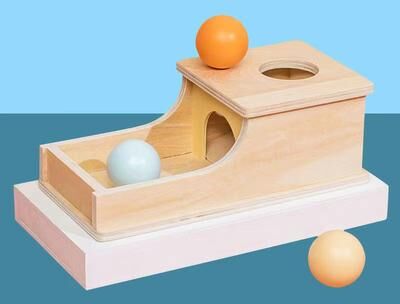
Tiny Tots Teens Trends Drawer Game Early Education Montessori Wooden Pitch Ball Box Preschool Learning Training Toy Drawer Game Early Education Montessori Wooden Pitch Ball Box Preschool Learning Training ToyThis Montessori Wooden Pitch Ball Box Drawer Game is a thoughtfully designed earlyeducation toy that transforms playtime into purposeful learning. Crafted for toddlers and preschoolers, it offers a handson, engaging way to support key developmental...39,97 $*Shipping: 0,00 $Secure redirect to the provider
-
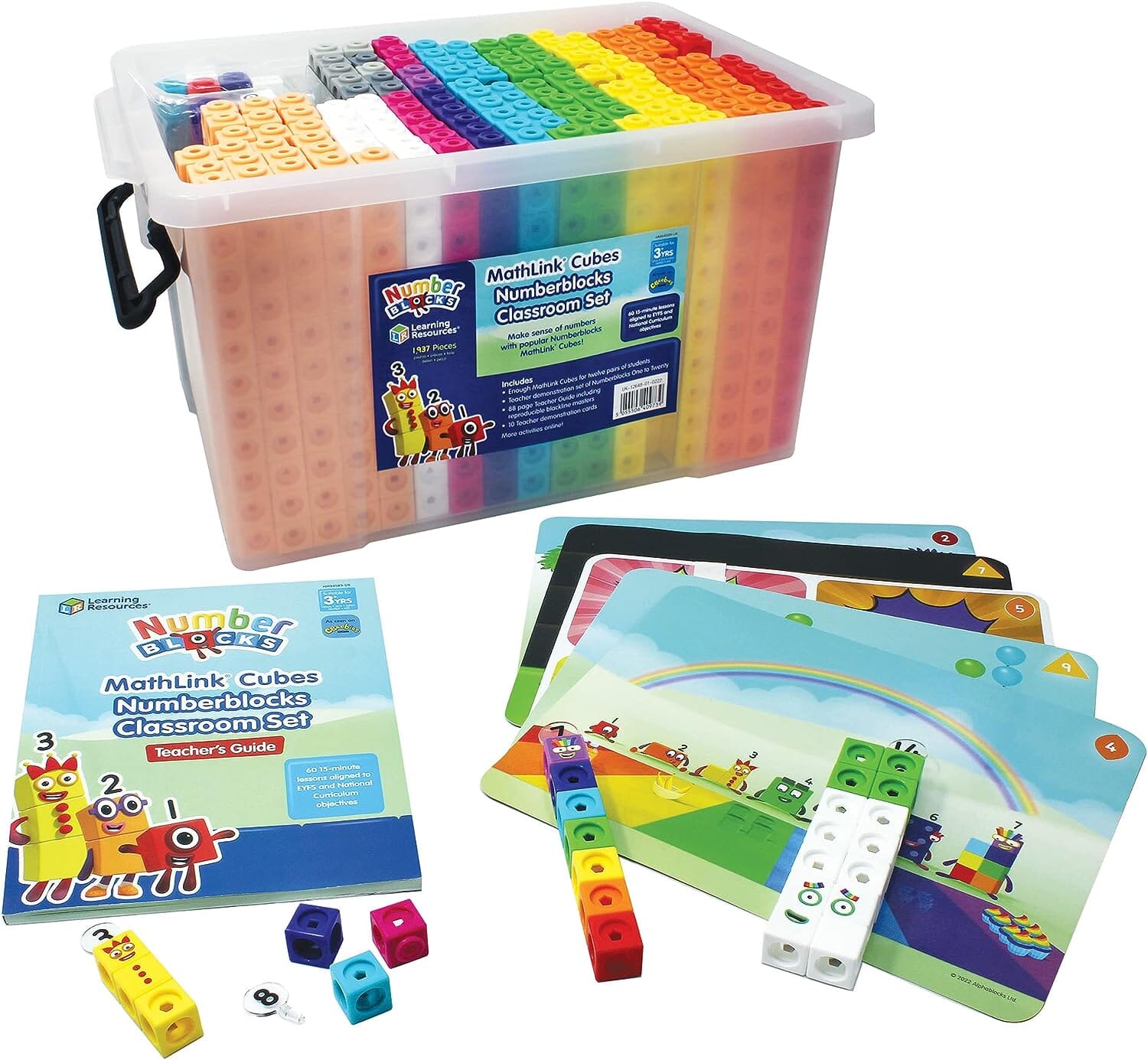
MathLink® Cubes Numberblocks Classroom Set - Ages 3+ - Educational Toy Learning ResourcesThis is the ultimate Numberblocks maths resources set developed to help teachers bring the maths concepts seen in the award-winning CBeebies TV series to life in the classroom. The set includes everything 12 pairs of pupils need to complete the 60 x 15-minute maths learning activities included in the comprehensive 88-page Teacher’s Guide. Activities align with the EYFS and National Curriculum objectives. The ultimate set for teachers to help children master maths by bringing the concepts shown in the award-winning TV series to life in the classroom. Developed to support maths learning in the classroom, this set uses the included comprehensive 88-page Teacher’s Guide to help children build essential early years maths skills including counting, place value, cardinality, subitising, composing and decomposing numbers, skip counting, addition, subtraction, and more for numbers 1-20. The quick and easy lessons incorporate group discussion and hands-on activities in 15 minutes. The Teacher’s Guide is split into three units. Unit one focuses on Numberblocks One to Five. Unit two focuses on Six to Ten, and unit three focuses on Eleven to Twenty. Lessons align with the EYFS and National Curriculum framework. The set has everything 12 pairs of pupils need to complete the activities featured in the Teacher’s Guide. Includes 1905 special edition Numberblocks MathLink Cubes, 20 Numberlings for One to Twenty, 5 double-sided demonstration cards, and the comprehensive Teacher’s Guide in a convenient storage tote.289,99 £*Shipping: 0,00 £Secure redirect to the provider

-
How can one prove that they do not have a learning disability?
One way to prove that one does not have a learning disability is to undergo a comprehensive evaluation by a qualified professional, such as a psychologist or educational specialist. This evaluation may include cognitive assessments, academic testing, and a review of medical and developmental history. If the results of the evaluation show that the individual does not exhibit significant difficulties in learning or processing information, it can be an indication that they do not have a learning disability. Additionally, consistently performing well in academic or work settings without accommodations or specialized support can also suggest the absence of a learning disability. **
-
Who can prove this?
This question depends on the specific context and what "this" refers to. In general, the ability to prove something depends on the evidence and expertise available. It could be proven by a qualified expert, a credible witness, or through scientific research and data. Ultimately, the burden of proof may fall on the party making the claim, and it may require the support of reliable evidence and reasoning. **
-
What does that prove?
The question "What does that prove?" is often used to challenge the significance or relevance of a particular piece of evidence or argument. In response, one could explain the implications of the evidence or argument in relation to the larger issue at hand. This could involve demonstrating how the evidence supports a particular conclusion, undermines a counterargument, or sheds light on a key aspect of the topic. Ultimately, the goal is to show the logical and persuasive force of the evidence or argument in question. **
-
Can I prove this?
Whether or not you can prove something depends on the specific claim or statement in question. To prove something, you typically need to provide evidence, logical reasoning, or data that supports your assertion. It's important to consider the context and complexity of the claim before determining if you can prove it. If you have sufficient evidence and a logical argument to support your claim, then you may be able to prove it. **


How can I prove one year of professional experience for further education?
To prove one year of professional experience for further education, you can provide documentation such as employment verification letters, pay stubs, or letters of recommendation from supervisors. You may also include a detailed resume outlining your work experience and responsibilities. Some educational institutions may require specific forms or formats for documenting professional experience, so it's important to check their requirements and follow their guidelines closely. Additionally, you can highlight any relevant certifications, trainings, or projects you have completed during your professional experience to further demonstrate your qualifications. **
How can one prove inequality?
One can prove inequality by providing evidence or examples that demonstrate the difference in value, quantity, or quality between two or more entities. This can be done by using mathematical equations, statistical data, or logical reasoning to show that one side is greater or lesser than the other. Additionally, comparisons can be made between the characteristics or attributes of the entities in question to highlight the disparities that exist. Overall, proving inequality involves presenting a compelling argument supported by relevant information that clearly establishes the differences between the entities being compared. **
Top-Angebote
Products related to Prove:
-
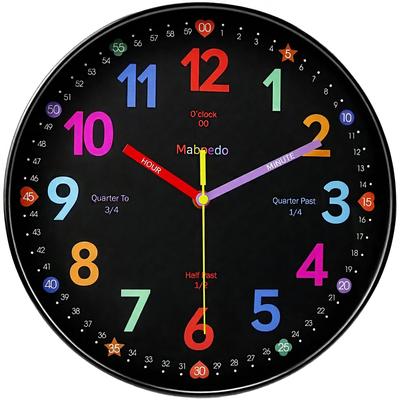
Perfect Picks Market Kids Learning Clock Silent Analog Teaching Wall Clock For Classroom & Bedroom Inch black 10 InchTransform learning into an exciting daily adventure with this Kids learning clock designed to help children master time with confidence. Featuring colorful numbers, clearly marked hands, and an easytoread analog display, it's perfect for young...69,97 $*Shipping: 0,00 $Secure redirect to the provider
-
JoyToys Montessori Wooden Learning Clock Time Teaching Puzzle For Kids Montessori Wooden Learning Clock Time Teaching Puzzle For KidsLearn through play with our wooden learning clock, designed to help children confidently understand time while developing essential early learning skills. This engaging Montessori clock combines handson puzzle play with interactive time practice,...29,97 $*Shipping: 0,00 $Secure redirect to the provider
-
Scholastic Teaching Resources Sight Word Readers Classroom Box SetJumpstart reading success with this irresistible collection of 125 little books that introduce and reinforce the first 50 must-know sight words! Each set includes a sturdy storage box stocked with 5 copies of 25 delightful tales—each presenting two...101,99 $*Shipping: 0,00 $Secure redirect to the provider
-
Perfect Picks Market Montessori Reusable Learning Cards Set For Kids Early Education Writing Practice Game Montessori Reusable Learning Cards Set For Kids Early Education Writing Practice GameTurn everyday learning into a fun, handson experience with these Montessori toys designed to spark curiosity and creativity. This engaging set of reusable cards helps young children build essential skills through play, making it perfect for early...39,97 $*Shipping: 0,00 $Secure redirect to the provider
-
Is learning how to prove using mathematical induction part of the curriculum in advanced math courses in school?
Yes, learning how to prove using mathematical induction is typically part of the curriculum in advanced math courses in school. Mathematical induction is a fundamental proof technique used to prove statements about integers or other mathematical structures. It is commonly taught in courses such as discrete mathematics, number theory, and advanced calculus. Mastering mathematical induction is important for students to develop their problem-solving skills and understand the foundations of mathematical reasoning. **
-
How can I prove documents that I cannot prove?
If you have documents that you cannot prove, you can consider using alternative evidence to support their authenticity. This could include providing witness testimony, obtaining affidavits from individuals familiar with the documents, or presenting circumstantial evidence that supports their validity. Additionally, you may want to consult with a legal professional to explore other options for proving the documents, such as seeking expert analysis or conducting further research to establish their credibility. **
-
How can one prove that they do not have a learning disability?
One way to prove that one does not have a learning disability is to undergo a comprehensive evaluation by a qualified professional, such as a psychologist or educational specialist. This evaluation may include cognitive assessments, academic testing, and a review of medical and developmental history. If the results of the evaluation show that the individual does not exhibit significant difficulties in learning or processing information, it can be an indication that they do not have a learning disability. Additionally, consistently performing well in academic or work settings without accommodations or specialized support can also suggest the absence of a learning disability. **
-
Who can prove this?
This question depends on the specific context and what "this" refers to. In general, the ability to prove something depends on the evidence and expertise available. It could be proven by a qualified expert, a credible witness, or through scientific research and data. Ultimately, the burden of proof may fall on the party making the claim, and it may require the support of reliable evidence and reasoning. **
Similar search terms for Prove
-
Tiny Tots Teens Trends Drawer Game Early Education Montessori Wooden Pitch Ball Box Preschool Learning Training Toy Drawer Game Early Education Montessori Wooden Pitch Ball Box Preschool Learning Training ToyThis Montessori Wooden Pitch Ball Box Drawer Game is a thoughtfully designed earlyeducation toy that transforms playtime into purposeful learning. Crafted for toddlers and preschoolers, it offers a handson, engaging way to support key developmental...39,97 $*Shipping: 0,00 $Secure redirect to the provider
-
MathLink® Cubes Numberblocks Classroom Set - Ages 3+ - Educational Toy Learning ResourcesThis is the ultimate Numberblocks maths resources set developed to help teachers bring the maths concepts seen in the award-winning CBeebies TV series to life in the classroom. The set includes everything 12 pairs of pupils need to complete the 60 x 15-minute maths learning activities included in the comprehensive 88-page Teacher’s Guide. Activities align with the EYFS and National Curriculum objectives. The ultimate set for teachers to help children master maths by bringing the concepts shown in the award-winning TV series to life in the classroom. Developed to support maths learning in the classroom, this set uses the included comprehensive 88-page Teacher’s Guide to help children build essential early years maths skills including counting, place value, cardinality, subitising, composing and decomposing numbers, skip counting, addition, subtraction, and more for numbers 1-20. The quick and easy lessons incorporate group discussion and hands-on activities in 15 minutes. The Teacher’s Guide is split into three units. Unit one focuses on Numberblocks One to Five. Unit two focuses on Six to Ten, and unit three focuses on Eleven to Twenty. Lessons align with the EYFS and National Curriculum framework. The set has everything 12 pairs of pupils need to complete the activities featured in the Teacher’s Guide. Includes 1905 special edition Numberblocks MathLink Cubes, 20 Numberlings for One to Twenty, 5 double-sided demonstration cards, and the comprehensive Teacher’s Guide in a convenient storage tote.289,99 £*Shipping: 0,00 £Secure redirect to the provider
-
Perfect Picks Market Kids Emotional Expression Mirror Early Education & Emotional Learning Toy For Toddlers blueNurture your childs emotional intelligence with the Kids Emotional Expression Mirrora fun, interactive learning tool designed to help toddlers understand and manage their feelings. This innovative toy features six emotional expression cards and a...49,97 $*Shipping: 0,00 $Secure redirect to the provider
-
Perfect Picks Market Kids Learning Clock Silent Analog Teaching Wall Clock For Classroom & Bedroom Inch black 8 InchTransform learning into an exciting daily adventure with this Kids learning clock designed to help children master time with confidence. Featuring colorful numbers, clearly marked hands, and an easytoread analog display, it's perfect for young...54,97 $*Shipping: 0,00 $Secure redirect to the provider
-
What does that prove?
The question "What does that prove?" is often used to challenge the significance or relevance of a particular piece of evidence or argument. In response, one could explain the implications of the evidence or argument in relation to the larger issue at hand. This could involve demonstrating how the evidence supports a particular conclusion, undermines a counterargument, or sheds light on a key aspect of the topic. Ultimately, the goal is to show the logical and persuasive force of the evidence or argument in question. **
-
Can I prove this?
Whether or not you can prove something depends on the specific claim or statement in question. To prove something, you typically need to provide evidence, logical reasoning, or data that supports your assertion. It's important to consider the context and complexity of the claim before determining if you can prove it. If you have sufficient evidence and a logical argument to support your claim, then you may be able to prove it. **
-
How can I prove one year of professional experience for further education?
To prove one year of professional experience for further education, you can provide documentation such as employment verification letters, pay stubs, or letters of recommendation from supervisors. You may also include a detailed resume outlining your work experience and responsibilities. Some educational institutions may require specific forms or formats for documenting professional experience, so it's important to check their requirements and follow their guidelines closely. Additionally, you can highlight any relevant certifications, trainings, or projects you have completed during your professional experience to further demonstrate your qualifications. **
-
How can one prove inequality?
One can prove inequality by providing evidence or examples that demonstrate the difference in value, quantity, or quality between two or more entities. This can be done by using mathematical equations, statistical data, or logical reasoning to show that one side is greater or lesser than the other. Additionally, comparisons can be made between the characteristics or attributes of the entities in question to highlight the disparities that exist. Overall, proving inequality involves presenting a compelling argument supported by relevant information that clearly establishes the differences between the entities being compared. **
* All prices are inclusive of VAT and, if applicable, plus shipping costs. The offer information is based on the details provided by the respective shop and is updated through automated processes. Real-time updates do not occur, so deviations can occur in individual cases. ** Note: Parts of this content were created by AI.