Buy unterricht.eu ?
We are moving the project
unterricht.eu .
Are you interested in purchasing the domain
unterricht.eu ?
domain@kv-gmbh.de · 0541-91531010
Buy unterricht.eu ?
Are there mammoths?
No, mammoths are extinct. They were large, elephant-like creatures that lived during the Ice Age, but they went extinct around 4,000 years ago. However, there have been some recent efforts to potentially bring back the mammoth through genetic engineering and cloning, but as of now, mammoths do not exist in the wild. **
When did mammoths exist?
Mammoths existed during the Pleistocene epoch, which lasted from about 2.6 million years ago to around 11,700 years ago. They roamed across North America, Europe, Asia, and Africa during this time. The last known population of mammoths lived on Wrangel Island in the Arctic Ocean and are believed to have gone extinct around 4,000 years ago. **


Similar search terms for Mammoths
Top-Angebote
Products related to Mammoths:
-
Scholastic Teaching Resources Sight Word Readers Classroom Box SetJumpstart reading success with this irresistible collection of 125 little books that introduce and reinforce the first 50 must-know sight words! Each set includes a sturdy storage box stocked with 5 copies of 25 delightful tales—each presenting two...101,99 $*Shipping: 0,00 $Secure redirect to the provider
-
Perfect Picks Market Montessori Reusable Learning Cards Set For Kids Early Education Writing Practice Game Montessori Reusable Learning Cards Set For Kids Early Education Writing Practice GameTurn everyday learning into a fun, handson experience with these Montessori toys designed to spark curiosity and creativity. This engaging set of reusable cards helps young children build essential skills through play, making it perfect for early...39,97 $*Shipping: 0,00 $Secure redirect to the provider
-
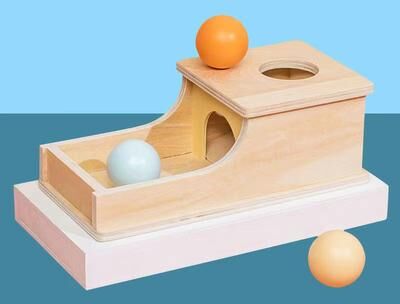
Tiny Tots Teens Trends Drawer Game Early Education Montessori Wooden Pitch Ball Box Preschool Learning Training Toy Drawer Game Early Education Montessori Wooden Pitch Ball Box Preschool Learning Training ToyThis Montessori Wooden Pitch Ball Box Drawer Game is a thoughtfully designed earlyeducation toy that transforms playtime into purposeful learning. Crafted for toddlers and preschoolers, it offers a handson, engaging way to support key developmental...39,97 $*Shipping: 0,00 $Secure redirect to the provider
-
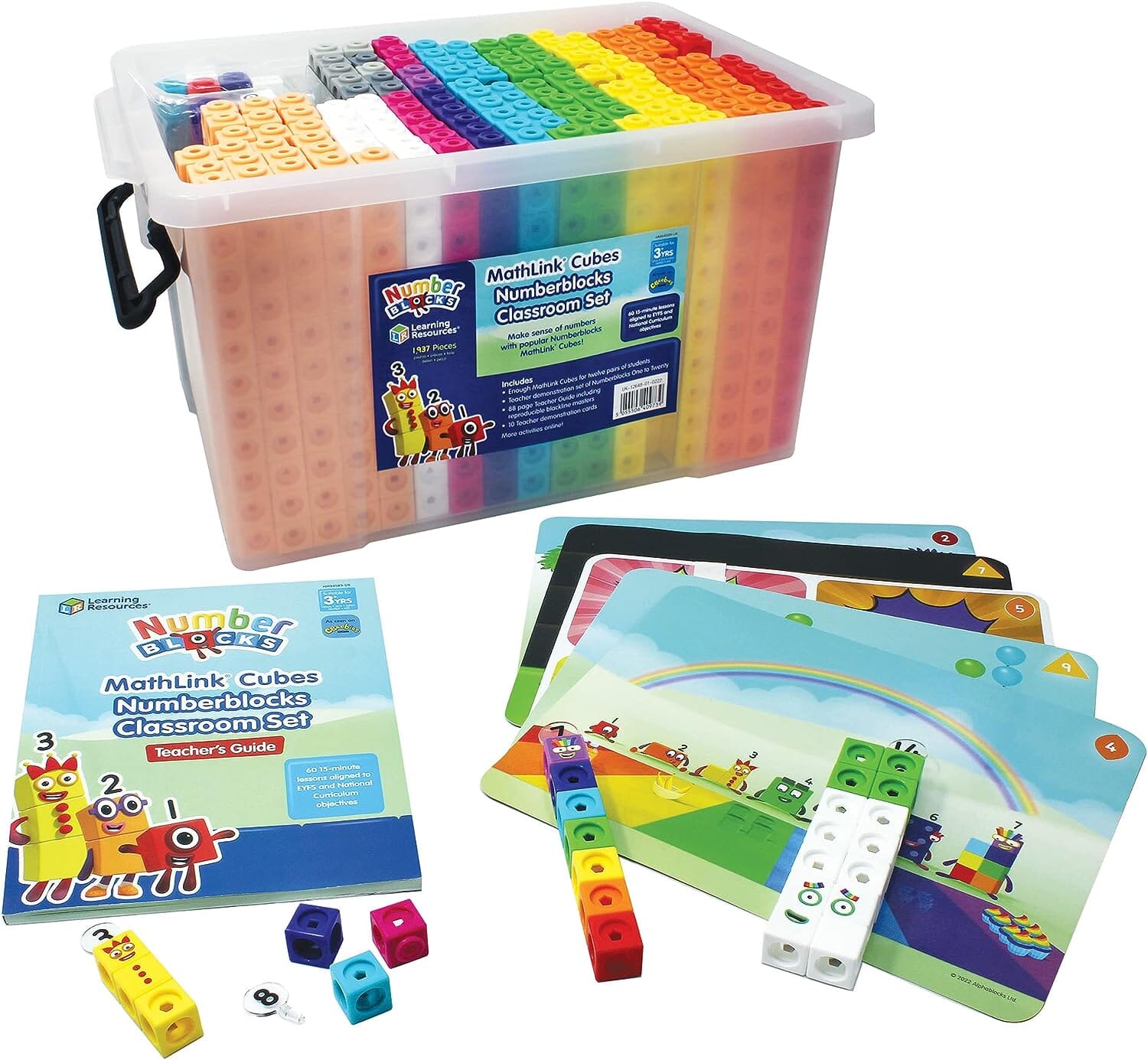
MathLink® Cubes Numberblocks Classroom Set - Ages 3+ - Educational Toy Learning ResourcesThis is the ultimate Numberblocks maths resources set developed to help teachers bring the maths concepts seen in the award-winning CBeebies TV series to life in the classroom. The set includes everything 12 pairs of pupils need to complete the 60 x 15-minute maths learning activities included in the comprehensive 88-page Teacher’s Guide. Activities align with the EYFS and National Curriculum objectives. The ultimate set for teachers to help children master maths by bringing the concepts shown in the award-winning TV series to life in the classroom. Developed to support maths learning in the classroom, this set uses the included comprehensive 88-page Teacher’s Guide to help children build essential early years maths skills including counting, place value, cardinality, subitising, composing and decomposing numbers, skip counting, addition, subtraction, and more for numbers 1-20. The quick and easy lessons incorporate group discussion and hands-on activities in 15 minutes. The Teacher’s Guide is split into three units. Unit one focuses on Numberblocks One to Five. Unit two focuses on Six to Ten, and unit three focuses on Eleven to Twenty. Lessons align with the EYFS and National Curriculum framework. The set has everything 12 pairs of pupils need to complete the activities featured in the Teacher’s Guide. Includes 1905 special edition Numberblocks MathLink Cubes, 20 Numberlings for One to Twenty, 5 double-sided demonstration cards, and the comprehensive Teacher’s Guide in a convenient storage tote.289,99 £*Shipping: 0,00 £Secure redirect to the provider


-
What did mammoths eat?
Mammoths were herbivores, meaning they primarily ate plants. Their diet consisted of grasses, shrubs, and other vegetation that was available in the environments they lived in. They used their long tusks and trunk to gather and consume these plant materials. The specific plants they ate would have varied depending on the region and time period in which they lived. **
-
Were mammoths stronger than elephants?
Mammoths were generally larger and more robust than modern elephants, so they likely had greater physical strength. However, the exact strength comparison between mammoths and elephants is difficult to determine with certainty due to the lack of direct evidence. Both mammoths and elephants are powerful animals, adapted to their respective environments and lifestyles. **
-
Were mammoths smaller than elephants?
Yes, mammoths were generally smaller than modern elephants. The largest mammoths, such as the Columbian mammoth, could reach heights of around 13 feet at the shoulder and weigh up to 12 tons. In comparison, African elephants can grow up to 13 feet tall at the shoulder and weigh up to 14 tons, while Asian elephants are slightly smaller. Overall, mammoths were similar in size to some elephant species but tended to be slightly smaller on average. **
-
Where did the mammoths live?
Mammoths lived in various regions around the world, including North America, Europe, Asia, and Africa. They were well-adapted to cold environments and were commonly found in grasslands, tundra, and forested areas. Mammoths were particularly abundant during the Ice Age, when their habitat consisted of vast stretches of grassy plains and icy landscapes. **


Could we live with mammoths?
Living with mammoths would present several challenges. Firstly, mammoths are large herbivores and would require a significant amount of food and space to roam. Additionally, their presence could potentially disrupt ecosystems and impact other species. Furthermore, the reintroduction of mammoths would require careful consideration of their impact on human activities and infrastructure. While the idea of living with mammoths is intriguing, it would require thorough planning and consideration of the potential consequences. **
What did the mammoths look like?
Mammoths were large, elephant-like creatures with long, curved tusks that could reach up to 16 feet in length. They had a thick, shaggy coat of fur to keep them warm in their cold environments. Their bodies were massive, reaching heights of up to 13 feet at the shoulder and weighing as much as 6 to 8 tons. Overall, mammoths had a distinctive and imposing appearance due to their size and unique features. **
Top-Angebote
Products related to Mammoths:
-
Perfect Picks Market Kids Learning Clock Silent Analog Teaching Wall Clock For Classroom & Bedroom Inch white 10 InchTransform learning into an exciting daily adventure with this Kids learning clock designed to help children master time with confidence. Featuring colorful numbers, clearly marked hands, and an easytoread analog display, it's perfect for young...69,97 $*Shipping: 0,00 $Secure redirect to the provider
-
JoyToys Montessori Wooden Learning Clock Time Teaching Puzzle For Kids Montessori Wooden Learning Clock Time Teaching Puzzle For KidsLearn through play with our wooden learning clock, designed to help children confidently understand time while developing essential early learning skills. This engaging Montessori clock combines handson puzzle play with interactive time practice,...29,97 $*Shipping: 0,00 $Secure redirect to the provider
-
Scholastic Teaching Resources Sight Word Readers Classroom Box SetJumpstart reading success with this irresistible collection of 125 little books that introduce and reinforce the first 50 must-know sight words! Each set includes a sturdy storage box stocked with 5 copies of 25 delightful tales—each presenting two...101,99 $*Shipping: 0,00 $Secure redirect to the provider
-
Perfect Picks Market Montessori Reusable Learning Cards Set For Kids Early Education Writing Practice Game Montessori Reusable Learning Cards Set For Kids Early Education Writing Practice GameTurn everyday learning into a fun, handson experience with these Montessori toys designed to spark curiosity and creativity. This engaging set of reusable cards helps young children build essential skills through play, making it perfect for early...39,97 $*Shipping: 0,00 $Secure redirect to the provider
-
Are there mammoths?
No, mammoths are extinct. They were large, elephant-like creatures that lived during the Ice Age, but they went extinct around 4,000 years ago. However, there have been some recent efforts to potentially bring back the mammoth through genetic engineering and cloning, but as of now, mammoths do not exist in the wild. **
-
When did mammoths exist?
Mammoths existed during the Pleistocene epoch, which lasted from about 2.6 million years ago to around 11,700 years ago. They roamed across North America, Europe, Asia, and Africa during this time. The last known population of mammoths lived on Wrangel Island in the Arctic Ocean and are believed to have gone extinct around 4,000 years ago. **
-
What did mammoths eat?
Mammoths were herbivores, meaning they primarily ate plants. Their diet consisted of grasses, shrubs, and other vegetation that was available in the environments they lived in. They used their long tusks and trunk to gather and consume these plant materials. The specific plants they ate would have varied depending on the region and time period in which they lived. **
-
Were mammoths stronger than elephants?
Mammoths were generally larger and more robust than modern elephants, so they likely had greater physical strength. However, the exact strength comparison between mammoths and elephants is difficult to determine with certainty due to the lack of direct evidence. Both mammoths and elephants are powerful animals, adapted to their respective environments and lifestyles. **
Similar search terms for Mammoths
-
Tiny Tots Teens Trends Drawer Game Early Education Montessori Wooden Pitch Ball Box Preschool Learning Training Toy Drawer Game Early Education Montessori Wooden Pitch Ball Box Preschool Learning Training ToyThis Montessori Wooden Pitch Ball Box Drawer Game is a thoughtfully designed earlyeducation toy that transforms playtime into purposeful learning. Crafted for toddlers and preschoolers, it offers a handson, engaging way to support key developmental...39,97 $*Shipping: 0,00 $Secure redirect to the provider
-
MathLink® Cubes Numberblocks Classroom Set - Ages 3+ - Educational Toy Learning ResourcesThis is the ultimate Numberblocks maths resources set developed to help teachers bring the maths concepts seen in the award-winning CBeebies TV series to life in the classroom. The set includes everything 12 pairs of pupils need to complete the 60 x 15-minute maths learning activities included in the comprehensive 88-page Teacher’s Guide. Activities align with the EYFS and National Curriculum objectives. The ultimate set for teachers to help children master maths by bringing the concepts shown in the award-winning TV series to life in the classroom. Developed to support maths learning in the classroom, this set uses the included comprehensive 88-page Teacher’s Guide to help children build essential early years maths skills including counting, place value, cardinality, subitising, composing and decomposing numbers, skip counting, addition, subtraction, and more for numbers 1-20. The quick and easy lessons incorporate group discussion and hands-on activities in 15 minutes. The Teacher’s Guide is split into three units. Unit one focuses on Numberblocks One to Five. Unit two focuses on Six to Ten, and unit three focuses on Eleven to Twenty. Lessons align with the EYFS and National Curriculum framework. The set has everything 12 pairs of pupils need to complete the activities featured in the Teacher’s Guide. Includes 1905 special edition Numberblocks MathLink Cubes, 20 Numberlings for One to Twenty, 5 double-sided demonstration cards, and the comprehensive Teacher’s Guide in a convenient storage tote.289,99 £*Shipping: 0,00 £Secure redirect to the provider
-
Inspire Curations Montessori Wooden Clock Learning Toy Kids Time Teaching Board With Number & Shape Puzzle nb111c1Make learning time fun and meaningful with this engaging Montessori wooden clock toy. Designed for curious young minds, this handson learning board helps children understand time, numbers, and sequences through play. With colorful removable pieces...45,50 $*Shipping: 0,00 $Secure redirect to the provider
-
Perfect Picks Market Kids Learning Clock Silent Analog Teaching Wall Clock For Classroom & Bedroom Inch black 8 InchTransform learning into an exciting daily adventure with this Kids learning clock designed to help children master time with confidence. Featuring colorful numbers, clearly marked hands, and an easytoread analog display, it's perfect for young...54,97 $*Shipping: 0,00 $Secure redirect to the provider
-
Were mammoths smaller than elephants?
Yes, mammoths were generally smaller than modern elephants. The largest mammoths, such as the Columbian mammoth, could reach heights of around 13 feet at the shoulder and weigh up to 12 tons. In comparison, African elephants can grow up to 13 feet tall at the shoulder and weigh up to 14 tons, while Asian elephants are slightly smaller. Overall, mammoths were similar in size to some elephant species but tended to be slightly smaller on average. **
-
Where did the mammoths live?
Mammoths lived in various regions around the world, including North America, Europe, Asia, and Africa. They were well-adapted to cold environments and were commonly found in grasslands, tundra, and forested areas. Mammoths were particularly abundant during the Ice Age, when their habitat consisted of vast stretches of grassy plains and icy landscapes. **
-
Could we live with mammoths?
Living with mammoths would present several challenges. Firstly, mammoths are large herbivores and would require a significant amount of food and space to roam. Additionally, their presence could potentially disrupt ecosystems and impact other species. Furthermore, the reintroduction of mammoths would require careful consideration of their impact on human activities and infrastructure. While the idea of living with mammoths is intriguing, it would require thorough planning and consideration of the potential consequences. **
-
What did the mammoths look like?
Mammoths were large, elephant-like creatures with long, curved tusks that could reach up to 16 feet in length. They had a thick, shaggy coat of fur to keep them warm in their cold environments. Their bodies were massive, reaching heights of up to 13 feet at the shoulder and weighing as much as 6 to 8 tons. Overall, mammoths had a distinctive and imposing appearance due to their size and unique features. **
* All prices are inclusive of VAT and, if applicable, plus shipping costs. The offer information is based on the details provided by the respective shop and is updated through automated processes. Real-time updates do not occur, so deviations can occur in individual cases. ** Note: Parts of this content were created by AI.