Buy unterricht.eu ?
We are moving the project
unterricht.eu .
Are you interested in purchasing the domain
unterricht.eu ?
domain@kv-gmbh.de · 0541-91531010
Buy unterricht.eu ?
Do teachers unfairly favoritism?
While some teachers may show favoritism towards certain students, it is not fair to generalize and say that all teachers do so. Favoritism can be influenced by various factors such as a student's behavior, academic performance, or personal connection with the teacher. It is important for teachers to remain impartial and treat all students equally to create a fair learning environment. Communication and feedback from students can help address any concerns of favoritism in the classroom. **
How can the favoritism towards girls in physical education classes be avoided?
To avoid favoritism towards girls in physical education classes, teachers should ensure equal opportunities for all students to participate and excel in various activities. This can be achieved by creating a supportive and inclusive environment where students feel encouraged to try new activities and improve their skills. Teachers should also provide constructive feedback and praise based on effort and progress rather than gender. Additionally, incorporating a variety of activities that cater to different interests and abilities can help prevent favoritism towards any specific group of students. **

Similar search terms for Favoritism
Top-Angebote
Products related to Favoritism:
-
Scholastic Teaching Resources Sight Word Readers Classroom Box SetJumpstart reading success with this irresistible collection of 125 little books that introduce and reinforce the first 50 must-know sight words! Each set includes a sturdy storage box stocked with 5 copies of 25 delightful tales—each presenting two...101,99 $*Shipping: 0,00 $Secure redirect to the provider
-
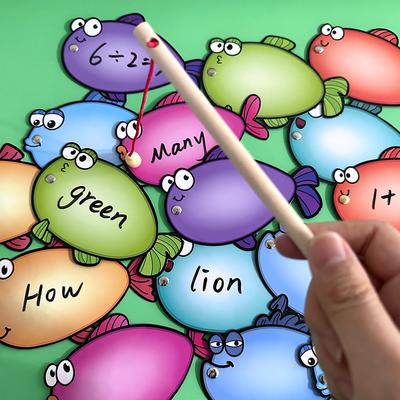
Perfect Picks Market Montessori Reusable Learning Cards Set For Kids Early Education Writing Practice Game Montessori Reusable Learning Cards Set For Kids Early Education Writing Practice GameTurn everyday learning into a fun, handson experience with these Montessori toys designed to spark curiosity and creativity. This engaging set of reusable cards helps young children build essential skills through play, making it perfect for early...39,97 $*Shipping: 0,00 $Secure redirect to the provider
-
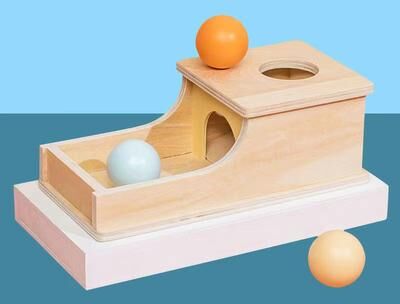
Tiny Tots Teens Trends Drawer Game Early Education Montessori Wooden Pitch Ball Box Preschool Learning Training Toy Drawer Game Early Education Montessori Wooden Pitch Ball Box Preschool Learning Training ToyThis Montessori Wooden Pitch Ball Box Drawer Game is a thoughtfully designed earlyeducation toy that transforms playtime into purposeful learning. Crafted for toddlers and preschoolers, it offers a handson, engaging way to support key developmental...39,97 $*Shipping: 0,00 $Secure redirect to the provider
-
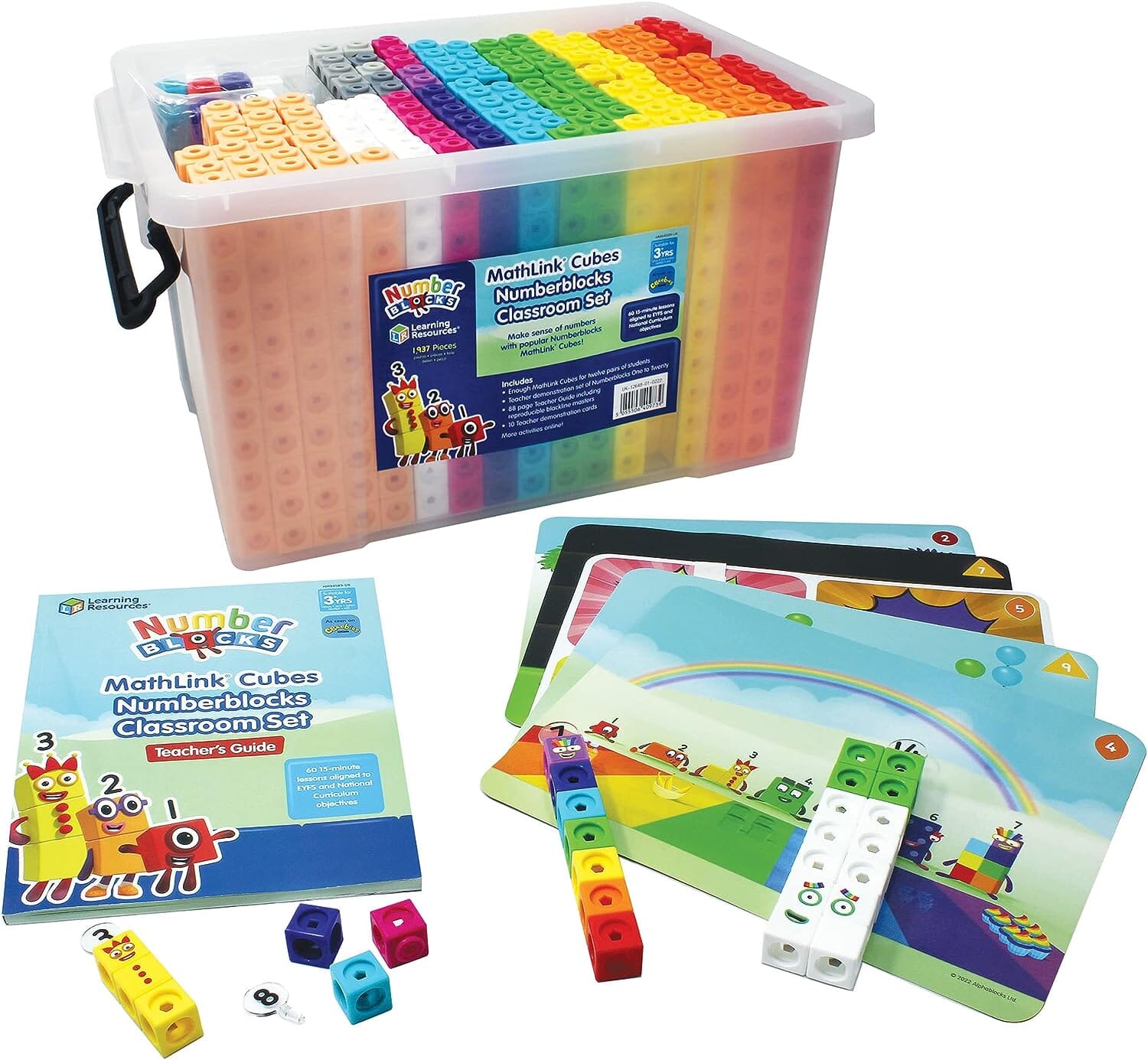
MathLink® Cubes Numberblocks Classroom Set - Ages 3+ - Educational Toy Learning ResourcesThis is the ultimate Numberblocks maths resources set developed to help teachers bring the maths concepts seen in the award-winning CBeebies TV series to life in the classroom. The set includes everything 12 pairs of pupils need to complete the 60 x 15-minute maths learning activities included in the comprehensive 88-page Teacher’s Guide. Activities align with the EYFS and National Curriculum objectives. The ultimate set for teachers to help children master maths by bringing the concepts shown in the award-winning TV series to life in the classroom. Developed to support maths learning in the classroom, this set uses the included comprehensive 88-page Teacher’s Guide to help children build essential early years maths skills including counting, place value, cardinality, subitising, composing and decomposing numbers, skip counting, addition, subtraction, and more for numbers 1-20. The quick and easy lessons incorporate group discussion and hands-on activities in 15 minutes. The Teacher’s Guide is split into three units. Unit one focuses on Numberblocks One to Five. Unit two focuses on Six to Ten, and unit three focuses on Eleven to Twenty. Lessons align with the EYFS and National Curriculum framework. The set has everything 12 pairs of pupils need to complete the activities featured in the Teacher’s Guide. Includes 1905 special edition Numberblocks MathLink Cubes, 20 Numberlings for One to Twenty, 5 double-sided demonstration cards, and the comprehensive Teacher’s Guide in a convenient storage tote.289,99 £*Shipping: 0,00 £Secure redirect to the provider

-
What happens when parents show favoritism between their children?
When parents show favoritism between their children, it can lead to feelings of resentment, jealousy, and low self-esteem among the children who are not favored. This can create tension and conflict within the family dynamic, impacting the relationships between siblings and between the children and their parents. Additionally, the favored child may develop a sense of entitlement or lack of empathy towards their siblings, which can have long-term effects on their relationships and behavior. Overall, parental favoritism can have damaging consequences on the emotional well-being and development of all the children involved. **
-
What happens if a teacher shows favoritism towards another student?
Showing favoritism towards a student can have negative consequences for both the favored student and the rest of the class. It can create a sense of unfairness and resentment among the other students, leading to a negative classroom environment. The favored student may also develop a sense of entitlement and may not learn to work hard for their achievements. Additionally, it can damage the teacher's credibility and trust among the students and their parents. It is important for teachers to treat all students with fairness and respect in order to create a positive and inclusive learning environment. **
-
Is there often favoritism in the evaluation of bachelor's and master's theses?
Favoritism in the evaluation of bachelor's and master's theses can occur, but it is not necessarily common. The evaluation process is typically designed to be fair and impartial, with specific criteria and standards for assessment. However, the potential for favoritism exists, especially if personal relationships or biases come into play. To mitigate this, many academic institutions have established procedures for blind or double-blind evaluations, where the identity of the student is concealed from the evaluator. Additionally, having multiple evaluators and clear evaluation criteria can help ensure fairness in the assessment process. **
-
Should one learn teaching before teaching learning?
It is important to have a solid understanding of teaching methods and strategies before embarking on the journey of teaching others. Learning how to effectively communicate information, engage students, and assess their understanding are essential skills that can be acquired through formal education or training in teaching. By learning teaching techniques first, one can better support the learning process and create a more effective and engaging learning environment for their students. **


What is the difference between teaching special education and teaching special education?
Teaching special education involves working with students who have various learning disabilities or special needs, providing individualized instruction and support to help them succeed academically. On the other hand, teaching special education involves focusing on a specific area within special education, such as teaching students with autism, emotional or behavioral disorders, or intellectual disabilities. Both roles require specialized training and a deep understanding of how to best support students with diverse learning needs. **
'Art education or teaching degree?'
Deciding between an art education or teaching degree depends on your career goals. An art education degree focuses on teaching art specifically, while a teaching degree provides a broader education background that can be applied to various subjects. If you are passionate about teaching art and want to specialize in that area, an art education degree may be the best choice. However, if you are interested in teaching multiple subjects or exploring different teaching opportunities, a teaching degree may be more suitable. Ultimately, consider your interests and career aspirations to determine which degree aligns best with your goals. **
Top-Angebote
Products related to Favoritism:
-
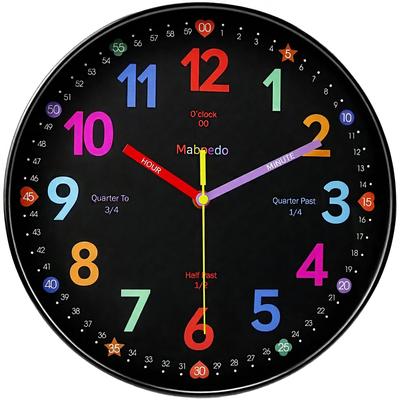
Perfect Picks Market Kids Learning Clock Silent Analog Teaching Wall Clock For Classroom & Bedroom Inch black 10 InchTransform learning into an exciting daily adventure with this Kids learning clock designed to help children master time with confidence. Featuring colorful numbers, clearly marked hands, and an easytoread analog display, it's perfect for young...69,97 $*Shipping: 0,00 $Secure redirect to the provider
-
JoyToys Montessori Wooden Learning Clock Time Teaching Puzzle For Kids Montessori Wooden Learning Clock Time Teaching Puzzle For KidsLearn through play with our wooden learning clock, designed to help children confidently understand time while developing essential early learning skills. This engaging Montessori clock combines handson puzzle play with interactive time practice,...29,97 $*Shipping: 0,00 $Secure redirect to the provider
-
Scholastic Teaching Resources Sight Word Readers Classroom Box SetJumpstart reading success with this irresistible collection of 125 little books that introduce and reinforce the first 50 must-know sight words! Each set includes a sturdy storage box stocked with 5 copies of 25 delightful tales—each presenting two...101,99 $*Shipping: 0,00 $Secure redirect to the provider
-
Perfect Picks Market Montessori Reusable Learning Cards Set For Kids Early Education Writing Practice Game Montessori Reusable Learning Cards Set For Kids Early Education Writing Practice GameTurn everyday learning into a fun, handson experience with these Montessori toys designed to spark curiosity and creativity. This engaging set of reusable cards helps young children build essential skills through play, making it perfect for early...39,97 $*Shipping: 0,00 $Secure redirect to the provider
-
Do teachers unfairly favoritism?
While some teachers may show favoritism towards certain students, it is not fair to generalize and say that all teachers do so. Favoritism can be influenced by various factors such as a student's behavior, academic performance, or personal connection with the teacher. It is important for teachers to remain impartial and treat all students equally to create a fair learning environment. Communication and feedback from students can help address any concerns of favoritism in the classroom. **
-
How can the favoritism towards girls in physical education classes be avoided?
To avoid favoritism towards girls in physical education classes, teachers should ensure equal opportunities for all students to participate and excel in various activities. This can be achieved by creating a supportive and inclusive environment where students feel encouraged to try new activities and improve their skills. Teachers should also provide constructive feedback and praise based on effort and progress rather than gender. Additionally, incorporating a variety of activities that cater to different interests and abilities can help prevent favoritism towards any specific group of students. **
-
What happens when parents show favoritism between their children?
When parents show favoritism between their children, it can lead to feelings of resentment, jealousy, and low self-esteem among the children who are not favored. This can create tension and conflict within the family dynamic, impacting the relationships between siblings and between the children and their parents. Additionally, the favored child may develop a sense of entitlement or lack of empathy towards their siblings, which can have long-term effects on their relationships and behavior. Overall, parental favoritism can have damaging consequences on the emotional well-being and development of all the children involved. **
-
What happens if a teacher shows favoritism towards another student?
Showing favoritism towards a student can have negative consequences for both the favored student and the rest of the class. It can create a sense of unfairness and resentment among the other students, leading to a negative classroom environment. The favored student may also develop a sense of entitlement and may not learn to work hard for their achievements. Additionally, it can damage the teacher's credibility and trust among the students and their parents. It is important for teachers to treat all students with fairness and respect in order to create a positive and inclusive learning environment. **
Similar search terms for Favoritism
-
Tiny Tots Teens Trends Drawer Game Early Education Montessori Wooden Pitch Ball Box Preschool Learning Training Toy Drawer Game Early Education Montessori Wooden Pitch Ball Box Preschool Learning Training ToyThis Montessori Wooden Pitch Ball Box Drawer Game is a thoughtfully designed earlyeducation toy that transforms playtime into purposeful learning. Crafted for toddlers and preschoolers, it offers a handson, engaging way to support key developmental...39,97 $*Shipping: 0,00 $Secure redirect to the provider
-
MathLink® Cubes Numberblocks Classroom Set - Ages 3+ - Educational Toy Learning ResourcesThis is the ultimate Numberblocks maths resources set developed to help teachers bring the maths concepts seen in the award-winning CBeebies TV series to life in the classroom. The set includes everything 12 pairs of pupils need to complete the 60 x 15-minute maths learning activities included in the comprehensive 88-page Teacher’s Guide. Activities align with the EYFS and National Curriculum objectives. The ultimate set for teachers to help children master maths by bringing the concepts shown in the award-winning TV series to life in the classroom. Developed to support maths learning in the classroom, this set uses the included comprehensive 88-page Teacher’s Guide to help children build essential early years maths skills including counting, place value, cardinality, subitising, composing and decomposing numbers, skip counting, addition, subtraction, and more for numbers 1-20. The quick and easy lessons incorporate group discussion and hands-on activities in 15 minutes. The Teacher’s Guide is split into three units. Unit one focuses on Numberblocks One to Five. Unit two focuses on Six to Ten, and unit three focuses on Eleven to Twenty. Lessons align with the EYFS and National Curriculum framework. The set has everything 12 pairs of pupils need to complete the activities featured in the Teacher’s Guide. Includes 1905 special edition Numberblocks MathLink Cubes, 20 Numberlings for One to Twenty, 5 double-sided demonstration cards, and the comprehensive Teacher’s Guide in a convenient storage tote.289,99 £*Shipping: 0,00 £Secure redirect to the provider
-
Perfect Picks Market Kids Emotional Expression Mirror Early Education & Emotional Learning Toy For Toddlers pinkNurture your childs emotional intelligence with the Kids Emotional Expression Mirrora fun, interactive learning tool designed to help toddlers understand and manage their feelings. This innovative toy features six emotional expression cards and a...49,97 $*Shipping: 0,00 $Secure redirect to the provider
-
Perfect Picks Market Kids Learning Clock Silent Analog Teaching Wall Clock For Classroom & Bedroom Inch black 8 InchTransform learning into an exciting daily adventure with this Kids learning clock designed to help children master time with confidence. Featuring colorful numbers, clearly marked hands, and an easytoread analog display, it's perfect for young...54,97 $*Shipping: 0,00 $Secure redirect to the provider
-
Is there often favoritism in the evaluation of bachelor's and master's theses?
Favoritism in the evaluation of bachelor's and master's theses can occur, but it is not necessarily common. The evaluation process is typically designed to be fair and impartial, with specific criteria and standards for assessment. However, the potential for favoritism exists, especially if personal relationships or biases come into play. To mitigate this, many academic institutions have established procedures for blind or double-blind evaluations, where the identity of the student is concealed from the evaluator. Additionally, having multiple evaluators and clear evaluation criteria can help ensure fairness in the assessment process. **
-
Should one learn teaching before teaching learning?
It is important to have a solid understanding of teaching methods and strategies before embarking on the journey of teaching others. Learning how to effectively communicate information, engage students, and assess their understanding are essential skills that can be acquired through formal education or training in teaching. By learning teaching techniques first, one can better support the learning process and create a more effective and engaging learning environment for their students. **
-
What is the difference between teaching special education and teaching special education?
Teaching special education involves working with students who have various learning disabilities or special needs, providing individualized instruction and support to help them succeed academically. On the other hand, teaching special education involves focusing on a specific area within special education, such as teaching students with autism, emotional or behavioral disorders, or intellectual disabilities. Both roles require specialized training and a deep understanding of how to best support students with diverse learning needs. **
-
'Art education or teaching degree?'
Deciding between an art education or teaching degree depends on your career goals. An art education degree focuses on teaching art specifically, while a teaching degree provides a broader education background that can be applied to various subjects. If you are passionate about teaching art and want to specialize in that area, an art education degree may be the best choice. However, if you are interested in teaching multiple subjects or exploring different teaching opportunities, a teaching degree may be more suitable. Ultimately, consider your interests and career aspirations to determine which degree aligns best with your goals. **
* All prices are inclusive of VAT and, if applicable, plus shipping costs. The offer information is based on the details provided by the respective shop and is updated through automated processes. Real-time updates do not occur, so deviations can occur in individual cases. ** Note: Parts of this content were created by AI.