Buy unterricht.eu ?
We are moving the project
unterricht.eu .
Are you interested in purchasing the domain
unterricht.eu ?
domain@kv-gmbh.de · 0541-91531010
Buy unterricht.eu ?
What is the etymology of Turkish Pepper?
The term "Turkish Pepper" is believed to have originated from the use of a specific type of pepper called "Urfa biber" in Turkish cuisine. Urfa biber is a dried red pepper that is grown in the Urfa region of Turkey and is known for its smoky, earthy flavor with a mild heat. The name "Turkish Pepper" likely refers to the origin of this specific type of pepper and its association with Turkish cuisine. **
What is the etymology of the word Funk?
The word "funk" originated in the late 17th century, derived from the French word "fumet," meaning "smell" or "vapor." It was initially used to describe a strong, musty smell. Over time, the term evolved to describe a style of music characterized by a strong rhythmic groove and soulful vocals, popularized in the 1960s and 1970s. Today, "funk" is associated with a genre of music that blends elements of soul, jazz, and rhythm and blues. **

Similar search terms for Etymology
Top-Angebote
Products related to Etymology:
-
Scholastic Teaching Resources Sight Word Readers Classroom Box SetJumpstart reading success with this irresistible collection of 125 little books that introduce and reinforce the first 50 must-know sight words! Each set includes a sturdy storage box stocked with 5 copies of 25 delightful tales—each presenting two...101,99 $*Shipping: 0,00 $Secure redirect to the provider
-
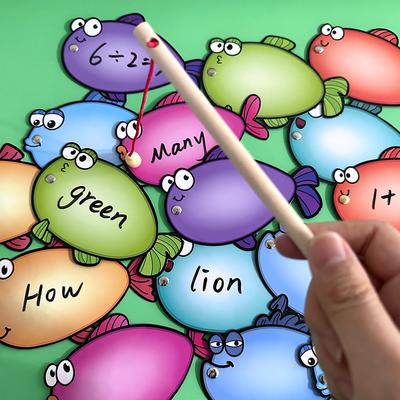
Perfect Picks Market Montessori Reusable Learning Cards Set For Kids Early Education Writing Practice Game Montessori Reusable Learning Cards Set For Kids Early Education Writing Practice GameTurn everyday learning into a fun, handson experience with these Montessori toys designed to spark curiosity and creativity. This engaging set of reusable cards helps young children build essential skills through play, making it perfect for early...39,97 $*Shipping: 0,00 $Secure redirect to the provider
-
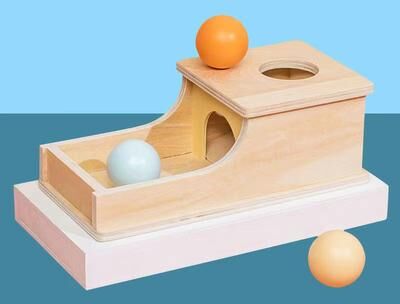
Tiny Tots Teens Trends Drawer Game Early Education Montessori Wooden Pitch Ball Box Preschool Learning Training Toy Drawer Game Early Education Montessori Wooden Pitch Ball Box Preschool Learning Training ToyThis Montessori Wooden Pitch Ball Box Drawer Game is a thoughtfully designed earlyeducation toy that transforms playtime into purposeful learning. Crafted for toddlers and preschoolers, it offers a handson, engaging way to support key developmental...39,97 $*Shipping: 0,00 $Secure redirect to the provider
-
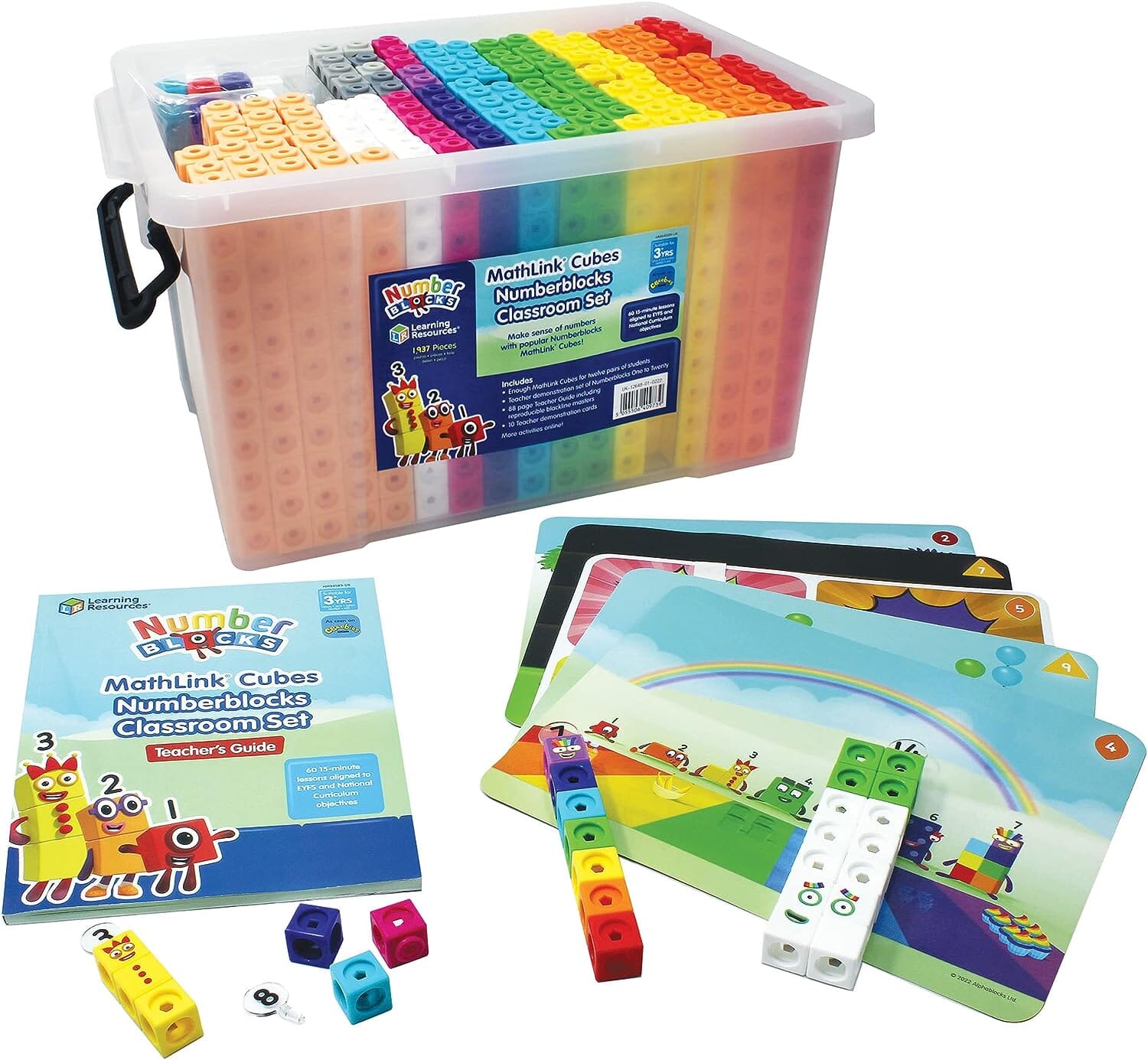
MathLink® Cubes Numberblocks Classroom Set - Ages 3+ - Educational Toy Learning ResourcesThis is the ultimate Numberblocks maths resources set developed to help teachers bring the maths concepts seen in the award-winning CBeebies TV series to life in the classroom. The set includes everything 12 pairs of pupils need to complete the 60 x 15-minute maths learning activities included in the comprehensive 88-page Teacher’s Guide. Activities align with the EYFS and National Curriculum objectives. The ultimate set for teachers to help children master maths by bringing the concepts shown in the award-winning TV series to life in the classroom. Developed to support maths learning in the classroom, this set uses the included comprehensive 88-page Teacher’s Guide to help children build essential early years maths skills including counting, place value, cardinality, subitising, composing and decomposing numbers, skip counting, addition, subtraction, and more for numbers 1-20. The quick and easy lessons incorporate group discussion and hands-on activities in 15 minutes. The Teacher’s Guide is split into three units. Unit one focuses on Numberblocks One to Five. Unit two focuses on Six to Ten, and unit three focuses on Eleven to Twenty. Lessons align with the EYFS and National Curriculum framework. The set has everything 12 pairs of pupils need to complete the activities featured in the Teacher’s Guide. Includes 1905 special edition Numberblocks MathLink Cubes, 20 Numberlings for One to Twenty, 5 double-sided demonstration cards, and the comprehensive Teacher’s Guide in a convenient storage tote.289,99 £*Shipping: 0,00 £Secure redirect to the provider

-
What is the etymology of the word Hexe?
The word "Hexe" comes from the Old High German word "hagazussa," which means "witch." This word is derived from the Middle High German "hag," meaning "hedge," and "zussa," meaning "sitting." The term "hagazussa" originally referred to a female magician or sorceress who was believed to have the ability to ride on the backs of animals and perform magical spells. Over time, the word evolved into "Hexe" in modern German. **
-
What is the etymology of the term "Blutblüte"?
The term "Blutblüte" is of German origin. It is a compound word made up of "Blut" meaning blood and "Blüte" meaning bloom or blossom. When combined, "Blutblüte" refers to the blooming or flourishing of blood, often used metaphorically to describe a period of violence or bloodshed. **
-
What is the connection between personal development, etymology, and philosophy?
Personal development, etymology, and philosophy are interconnected in the sense that they all involve the exploration and understanding of oneself and the world. Personal development focuses on self-improvement and growth, while etymology delves into the origins and meanings of words, and philosophy seeks to understand the fundamental nature of existence and knowledge. By studying etymology, one can gain insight into the historical and cultural context of words, which can in turn inform one's personal development and philosophical understanding. Philosophy, on the other hand, can provide a framework for understanding the deeper meaning and purpose of personal development, while also influencing the way we interpret and use language. Overall, these three areas of study are interconnected in their pursuit of self-awareness, understanding, and growth. **
-
What is the etymology of the term "Komplekte" in the DDRNVA?
The term "Komplekte" in the DDRNVA is derived from the German word "komplett," which means complete or entire. In the context of the DDRNVA, "Komplekte" refers to a set or collection of items that are necessary for a specific task or purpose. This term reflects the emphasis on organization and efficiency within the DDRNVA, as having all the necessary components in a "Komplekte" ensures readiness and effectiveness in carrying out military operations. **


What is the origin or etymology of the puzzled expression Nani Nanu?
The expression "Nani Nanu" originates from the Japanese language. "Nani" means "what" in Japanese, while "Nanu" is a playful and informal way of saying "what" in some Japanese dialects. When used together, "Nani Nanu" is a whimsical and light-hearted way of expressing confusion or puzzlement. It has gained popularity in internet culture and among fans of Japanese media. **
What is the origin or etymology of the surprised expression "Nani Nanu"?
The expression "Nani Nanu" originates from Japanese and is commonly used to express surprise or disbelief. In Japanese, "nani" means "what," and "nanu" is a colloquial variation of "nanda," which means "is" or "what is." When combined, "Nani Nanu" essentially translates to "What is it?" or "What's going on?" and is often used in anime, manga, and Japanese pop culture to convey shock or astonishment. **
Top-Angebote
Products related to Etymology:
-
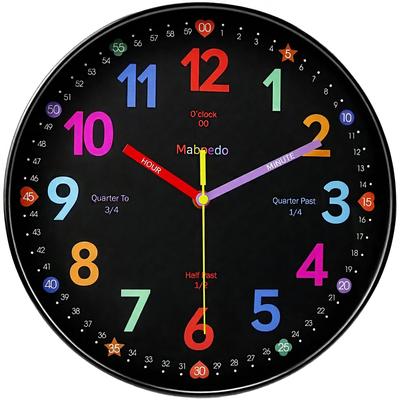
Perfect Picks Market Kids Learning Clock Silent Analog Teaching Wall Clock For Classroom & Bedroom Inch black 10 InchTransform learning into an exciting daily adventure with this Kids learning clock designed to help children master time with confidence. Featuring colorful numbers, clearly marked hands, and an easytoread analog display, it's perfect for young...69,97 $*Shipping: 0,00 $Secure redirect to the provider
-
JoyToys Montessori Wooden Learning Clock Time Teaching Puzzle For Kids Montessori Wooden Learning Clock Time Teaching Puzzle For KidsLearn through play with our wooden learning clock, designed to help children confidently understand time while developing essential early learning skills. This engaging Montessori clock combines handson puzzle play with interactive time practice,...29,97 $*Shipping: 0,00 $Secure redirect to the provider
-
Scholastic Teaching Resources Sight Word Readers Classroom Box SetJumpstart reading success with this irresistible collection of 125 little books that introduce and reinforce the first 50 must-know sight words! Each set includes a sturdy storage box stocked with 5 copies of 25 delightful tales—each presenting two...101,99 $*Shipping: 0,00 $Secure redirect to the provider
-
Perfect Picks Market Montessori Reusable Learning Cards Set For Kids Early Education Writing Practice Game Montessori Reusable Learning Cards Set For Kids Early Education Writing Practice GameTurn everyday learning into a fun, handson experience with these Montessori toys designed to spark curiosity and creativity. This engaging set of reusable cards helps young children build essential skills through play, making it perfect for early...39,97 $*Shipping: 0,00 $Secure redirect to the provider
-
What is the etymology of Turkish Pepper?
The term "Turkish Pepper" is believed to have originated from the use of a specific type of pepper called "Urfa biber" in Turkish cuisine. Urfa biber is a dried red pepper that is grown in the Urfa region of Turkey and is known for its smoky, earthy flavor with a mild heat. The name "Turkish Pepper" likely refers to the origin of this specific type of pepper and its association with Turkish cuisine. **
-
What is the etymology of the word Funk?
The word "funk" originated in the late 17th century, derived from the French word "fumet," meaning "smell" or "vapor." It was initially used to describe a strong, musty smell. Over time, the term evolved to describe a style of music characterized by a strong rhythmic groove and soulful vocals, popularized in the 1960s and 1970s. Today, "funk" is associated with a genre of music that blends elements of soul, jazz, and rhythm and blues. **
-
What is the etymology of the word Hexe?
The word "Hexe" comes from the Old High German word "hagazussa," which means "witch." This word is derived from the Middle High German "hag," meaning "hedge," and "zussa," meaning "sitting." The term "hagazussa" originally referred to a female magician or sorceress who was believed to have the ability to ride on the backs of animals and perform magical spells. Over time, the word evolved into "Hexe" in modern German. **
-
What is the etymology of the term "Blutblüte"?
The term "Blutblüte" is of German origin. It is a compound word made up of "Blut" meaning blood and "Blüte" meaning bloom or blossom. When combined, "Blutblüte" refers to the blooming or flourishing of blood, often used metaphorically to describe a period of violence or bloodshed. **
Similar search terms for Etymology
-
Tiny Tots Teens Trends Drawer Game Early Education Montessori Wooden Pitch Ball Box Preschool Learning Training Toy Drawer Game Early Education Montessori Wooden Pitch Ball Box Preschool Learning Training ToyThis Montessori Wooden Pitch Ball Box Drawer Game is a thoughtfully designed earlyeducation toy that transforms playtime into purposeful learning. Crafted for toddlers and preschoolers, it offers a handson, engaging way to support key developmental...39,97 $*Shipping: 0,00 $Secure redirect to the provider
-
MathLink® Cubes Numberblocks Classroom Set - Ages 3+ - Educational Toy Learning ResourcesThis is the ultimate Numberblocks maths resources set developed to help teachers bring the maths concepts seen in the award-winning CBeebies TV series to life in the classroom. The set includes everything 12 pairs of pupils need to complete the 60 x 15-minute maths learning activities included in the comprehensive 88-page Teacher’s Guide. Activities align with the EYFS and National Curriculum objectives. The ultimate set for teachers to help children master maths by bringing the concepts shown in the award-winning TV series to life in the classroom. Developed to support maths learning in the classroom, this set uses the included comprehensive 88-page Teacher’s Guide to help children build essential early years maths skills including counting, place value, cardinality, subitising, composing and decomposing numbers, skip counting, addition, subtraction, and more for numbers 1-20. The quick and easy lessons incorporate group discussion and hands-on activities in 15 minutes. The Teacher’s Guide is split into three units. Unit one focuses on Numberblocks One to Five. Unit two focuses on Six to Ten, and unit three focuses on Eleven to Twenty. Lessons align with the EYFS and National Curriculum framework. The set has everything 12 pairs of pupils need to complete the activities featured in the Teacher’s Guide. Includes 1905 special edition Numberblocks MathLink Cubes, 20 Numberlings for One to Twenty, 5 double-sided demonstration cards, and the comprehensive Teacher’s Guide in a convenient storage tote.289,99 £*Shipping: 0,00 £Secure redirect to the provider
-
Perfect Picks Market Kids Emotional Expression Mirror Early Education & Emotional Learning Toy For Toddlers pinkNurture your childs emotional intelligence with the Kids Emotional Expression Mirrora fun, interactive learning tool designed to help toddlers understand and manage their feelings. This innovative toy features six emotional expression cards and a...49,97 $*Shipping: 0,00 $Secure redirect to the provider
-
Perfect Picks Market Kids Learning Clock Silent Analog Teaching Wall Clock For Classroom & Bedroom Inch black 8 InchTransform learning into an exciting daily adventure with this Kids learning clock designed to help children master time with confidence. Featuring colorful numbers, clearly marked hands, and an easytoread analog display, it's perfect for young...54,97 $*Shipping: 0,00 $Secure redirect to the provider
-
What is the connection between personal development, etymology, and philosophy?
Personal development, etymology, and philosophy are interconnected in the sense that they all involve the exploration and understanding of oneself and the world. Personal development focuses on self-improvement and growth, while etymology delves into the origins and meanings of words, and philosophy seeks to understand the fundamental nature of existence and knowledge. By studying etymology, one can gain insight into the historical and cultural context of words, which can in turn inform one's personal development and philosophical understanding. Philosophy, on the other hand, can provide a framework for understanding the deeper meaning and purpose of personal development, while also influencing the way we interpret and use language. Overall, these three areas of study are interconnected in their pursuit of self-awareness, understanding, and growth. **
-
What is the etymology of the term "Komplekte" in the DDRNVA?
The term "Komplekte" in the DDRNVA is derived from the German word "komplett," which means complete or entire. In the context of the DDRNVA, "Komplekte" refers to a set or collection of items that are necessary for a specific task or purpose. This term reflects the emphasis on organization and efficiency within the DDRNVA, as having all the necessary components in a "Komplekte" ensures readiness and effectiveness in carrying out military operations. **
-
What is the origin or etymology of the puzzled expression Nani Nanu?
The expression "Nani Nanu" originates from the Japanese language. "Nani" means "what" in Japanese, while "Nanu" is a playful and informal way of saying "what" in some Japanese dialects. When used together, "Nani Nanu" is a whimsical and light-hearted way of expressing confusion or puzzlement. It has gained popularity in internet culture and among fans of Japanese media. **
-
What is the origin or etymology of the surprised expression "Nani Nanu"?
The expression "Nani Nanu" originates from Japanese and is commonly used to express surprise or disbelief. In Japanese, "nani" means "what," and "nanu" is a colloquial variation of "nanda," which means "is" or "what is." When combined, "Nani Nanu" essentially translates to "What is it?" or "What's going on?" and is often used in anime, manga, and Japanese pop culture to convey shock or astonishment. **
* All prices are inclusive of VAT and, if applicable, plus shipping costs. The offer information is based on the details provided by the respective shop and is updated through automated processes. Real-time updates do not occur, so deviations can occur in individual cases. ** Note: Parts of this content were created by AI.