Buy unterricht.eu ?
We are moving the project
unterricht.eu .
Are you interested in purchasing the domain
unterricht.eu ?
domain@kv-gmbh.de · 0541-91531010
Buy unterricht.eu ?
What are collective punishments in the classroom?
Collective punishments in the classroom are disciplinary actions that are imposed on an entire group of students for the misbehavior of one or a few individuals. This can include things like keeping the whole class in during recess, assigning extra homework to everyone, or withholding a privilege from the entire group. While the intention may be to encourage peer accountability and discourage disruptive behavior, collective punishments can be unfair to students who were not involved in the misbehavior and can create a negative classroom environment. It is important for teachers to consider alternative disciplinary approaches that address the specific behavior of the individuals involved. **
Which collective agreement applies?
The collective agreement that applies to a specific situation depends on the industry or sector in which the employees work. Each industry or sector typically has its own collective agreement negotiated between the employer and the relevant trade union. It is important to consult the specific collective agreement that covers the employees in question to understand their rights, benefits, and working conditions. If there is uncertainty about which collective agreement applies, it is advisable to seek guidance from the trade union or relevant labor authorities. **

Similar search terms for Collective
Top-Angebote
Products related to Collective:
-
Scholastic Teaching Resources Sight Word Readers Classroom Box SetJumpstart reading success with this irresistible collection of 125 little books that introduce and reinforce the first 50 must-know sight words! Each set includes a sturdy storage box stocked with 5 copies of 25 delightful tales—each presenting two...101,99 $*Shipping: 0,00 $Secure redirect to the provider
-
Collective Minds Cronus Zen Controller AdapterDescription Enhance your gaming setup with the Collective Minds Cronus Zen Controller Adapter, a powerful device designed to provide greater controller flexibility and customisation across multiple gaming platforms. The Cronus Zen allows players to connect a wide range of controllers, keyboards, mice, and other gaming accessories to supported consoles and PC systems. Featuring advanced controller emulation technology, the Cronus Zen lets you customise gameplay controls, create personalised controller profiles, and use compatible input devices across different platforms. It supports major gaming systems including PlayStation, Xbox, Nintendo Switch, and Windows PC, providing a versatile solution for gamers who want more control over their setup. The device works with Zen Studio software, allowing users to configure settings, manage profiles, and customise controller functions. With support for controller crossover, keyboard and mouse conversion, and accessibility-focused customisation options, Cronus Zen provides a flexible gaming experience for different play styles. Designed for competitive players, accessibility users, and gaming enthusiasts, the Cronus Zen delivers advanced configuration options in a compact and easy-to-use adapter.76,49 £*Shipping: 0,00 £Secure redirect to the provider



-
Are collective punishments allowed?
Collective punishments are generally not allowed under international humanitarian law as they violate the principle of individual responsibility. This means that individuals should only be punished for their own actions and not for the actions of others. Collective punishments can also be seen as a form of discrimination and can lead to innocent individuals being punished unjustly. It is important to uphold the principle of individual responsibility in order to ensure fairness and justice in any punishment system. **
-
What are collective needs?
Collective needs are the needs that are shared by a group of people or a community. These needs can include things like access to clean water, healthcare, education, safety, and infrastructure. Meeting collective needs often requires cooperation and collaboration among individuals, organizations, and governments to ensure that everyone in the community has their basic needs met. Addressing collective needs is important for promoting the well-being and development of a society as a whole. **
-
What is the difference between collective goods receipt and collective goods issue?
Collective goods receipt refers to the process of receiving multiple goods or items in a single transaction, typically in a warehouse or distribution center. This involves recording the arrival of various goods into inventory at the same time. On the other hand, collective goods issue involves the process of distributing multiple goods or items from inventory in a single transaction. This includes recording the removal of various goods from inventory at once for distribution or use. In summary, the main difference lies in the direction of the goods flow - receipt involves goods coming in, while issue involves goods going out. **
-
What is a collective farm?
A collective farm is a type of agricultural organization in which multiple farmers pool their resources, land, and labor to work together on a large-scale farm. The goal of a collective farm is to increase efficiency, productivity, and profitability by sharing resources and expertise. Collective farms were commonly found in communist countries where land was owned collectively by the state or by a cooperative. **


What does collective security mean?
Collective security is a concept in international relations where countries work together to ensure the security and stability of all members of the group. It involves mutual defense agreements and a commitment to respond collectively to any aggression or threat to the group. The idea is that by standing together, countries can deter potential aggressors and maintain peace and security. Examples of collective security arrangements include alliances like NATO or the United Nations Security Council. **
Can teachers impose collective punishments?
Teachers should avoid imposing collective punishments as they can be unfair and ineffective in addressing individual behavior issues. It is important for teachers to address misconduct on a case-by-case basis to ensure that the appropriate consequences are given to the individuals responsible. Collective punishments can create a negative classroom environment and may not effectively deter future misbehavior. Teachers should focus on promoting positive behavior and addressing issues through constructive means such as individual discussions, positive reinforcement, and restorative practices. **
Top-Angebote
Products related to Collective:
-
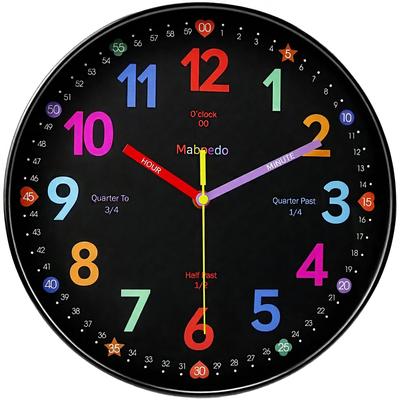
Perfect Picks Market Kids Learning Clock Silent Analog Teaching Wall Clock For Classroom & Bedroom Inch black 10 InchTransform learning into an exciting daily adventure with this Kids learning clock designed to help children master time with confidence. Featuring colorful numbers, clearly marked hands, and an easytoread analog display, it's perfect for young...69,97 $*Shipping: 0,00 $Secure redirect to the provider
-
JoyToys Montessori Wooden Learning Clock Time Teaching Puzzle For Kids Montessori Wooden Learning Clock Time Teaching Puzzle For KidsLearn through play with our wooden learning clock, designed to help children confidently understand time while developing essential early learning skills. This engaging Montessori clock combines handson puzzle play with interactive time practice,...29,97 $*Shipping: 0,00 $Secure redirect to the provider
-
Scholastic Teaching Resources Sight Word Readers Classroom Box SetJumpstart reading success with this irresistible collection of 125 little books that introduce and reinforce the first 50 must-know sight words! Each set includes a sturdy storage box stocked with 5 copies of 25 delightful tales—each presenting two...101,99 $*Shipping: 0,00 $Secure redirect to the provider
-
What are collective punishments in the classroom?
Collective punishments in the classroom are disciplinary actions that are imposed on an entire group of students for the misbehavior of one or a few individuals. This can include things like keeping the whole class in during recess, assigning extra homework to everyone, or withholding a privilege from the entire group. While the intention may be to encourage peer accountability and discourage disruptive behavior, collective punishments can be unfair to students who were not involved in the misbehavior and can create a negative classroom environment. It is important for teachers to consider alternative disciplinary approaches that address the specific behavior of the individuals involved. **
-
Which collective agreement applies?
The collective agreement that applies to a specific situation depends on the industry or sector in which the employees work. Each industry or sector typically has its own collective agreement negotiated between the employer and the relevant trade union. It is important to consult the specific collective agreement that covers the employees in question to understand their rights, benefits, and working conditions. If there is uncertainty about which collective agreement applies, it is advisable to seek guidance from the trade union or relevant labor authorities. **
-
Are collective punishments allowed?
Collective punishments are generally not allowed under international humanitarian law as they violate the principle of individual responsibility. This means that individuals should only be punished for their own actions and not for the actions of others. Collective punishments can also be seen as a form of discrimination and can lead to innocent individuals being punished unjustly. It is important to uphold the principle of individual responsibility in order to ensure fairness and justice in any punishment system. **
-
What are collective needs?
Collective needs are the needs that are shared by a group of people or a community. These needs can include things like access to clean water, healthcare, education, safety, and infrastructure. Meeting collective needs often requires cooperation and collaboration among individuals, organizations, and governments to ensure that everyone in the community has their basic needs met. Addressing collective needs is important for promoting the well-being and development of a society as a whole. **
Similar search terms for Collective
-
Collective Minds Cronus Zen Controller AdapterDescription Enhance your gaming setup with the Collective Minds Cronus Zen Controller Adapter, a powerful device designed to provide greater controller flexibility and customisation across multiple gaming platforms. The Cronus Zen allows players to connect a wide range of controllers, keyboards, mice, and other gaming accessories to supported consoles and PC systems. Featuring advanced controller emulation technology, the Cronus Zen lets you customise gameplay controls, create personalised controller profiles, and use compatible input devices across different platforms. It supports major gaming systems including PlayStation, Xbox, Nintendo Switch, and Windows PC, providing a versatile solution for gamers who want more control over their setup. The device works with Zen Studio software, allowing users to configure settings, manage profiles, and customise controller functions. With support for controller crossover, keyboard and mouse conversion, and accessibility-focused customisation options, Cronus Zen provides a flexible gaming experience for different play styles. Designed for competitive players, accessibility users, and gaming enthusiasts, the Cronus Zen delivers advanced configuration options in a compact and easy-to-use adapter.76,49 £*Shipping: 0,00 £Secure redirect to the provider
-
Perfect Picks Market Kids Learning Clock Silent Analog Teaching Wall Clock For Classroom & Bedroom Inch black 8 InchTransform learning into an exciting daily adventure with this Kids learning clock designed to help children master time with confidence. Featuring colorful numbers, clearly marked hands, and an easytoread analog display, it's perfect for young...54,97 $*Shipping: 0,00 $Secure redirect to the provider
-
What is the difference between collective goods receipt and collective goods issue?
Collective goods receipt refers to the process of receiving multiple goods or items in a single transaction, typically in a warehouse or distribution center. This involves recording the arrival of various goods into inventory at the same time. On the other hand, collective goods issue involves the process of distributing multiple goods or items from inventory in a single transaction. This includes recording the removal of various goods from inventory at once for distribution or use. In summary, the main difference lies in the direction of the goods flow - receipt involves goods coming in, while issue involves goods going out. **
-
What is a collective farm?
A collective farm is a type of agricultural organization in which multiple farmers pool their resources, land, and labor to work together on a large-scale farm. The goal of a collective farm is to increase efficiency, productivity, and profitability by sharing resources and expertise. Collective farms were commonly found in communist countries where land was owned collectively by the state or by a cooperative. **
-
What does collective security mean?
Collective security is a concept in international relations where countries work together to ensure the security and stability of all members of the group. It involves mutual defense agreements and a commitment to respond collectively to any aggression or threat to the group. The idea is that by standing together, countries can deter potential aggressors and maintain peace and security. Examples of collective security arrangements include alliances like NATO or the United Nations Security Council. **
-
Can teachers impose collective punishments?
Teachers should avoid imposing collective punishments as they can be unfair and ineffective in addressing individual behavior issues. It is important for teachers to address misconduct on a case-by-case basis to ensure that the appropriate consequences are given to the individuals responsible. Collective punishments can create a negative classroom environment and may not effectively deter future misbehavior. Teachers should focus on promoting positive behavior and addressing issues through constructive means such as individual discussions, positive reinforcement, and restorative practices. **
* All prices are inclusive of VAT and, if applicable, plus shipping costs. The offer information is based on the details provided by the respective shop and is updated through automated processes. Real-time updates do not occur, so deviations can occur in individual cases. ** Note: Parts of this content were created by AI.