Buy unterricht.eu ?
We are moving the project
unterricht.eu .
Are you interested in purchasing the domain
unterricht.eu ?
domain@kv-gmbh.de · 0541-91531010
Buy unterricht.eu ?
How calculating are you?
As an AI, I am programmed to be highly calculating in terms of processing and analyzing data to provide accurate and relevant information. My algorithms are designed to calculate and generate responses based on the input I receive. However, I do not possess emotions or personal motivations, so my calculations are purely based on logic and data analysis. **
What is the difference between calculating roots and calculating a quadratic equation?
Calculating roots involves finding the values of the variable that make the equation equal to zero. This can be done for any type of equation, not just quadratic equations. On the other hand, calculating a quadratic equation involves finding the values of the variable that make the equation equal to a specific constant, typically zero. Quadratic equations specifically have the form ax^2 + bx + c = 0, and the process of solving them often involves factoring, completing the square, or using the quadratic formula. **


Similar search terms for Calculating
Top-Angebote
Products related to Calculating:
-
Scholastic Teaching Resources Sight Word Readers Classroom Box SetJumpstart reading success with this irresistible collection of 125 little books that introduce and reinforce the first 50 must-know sight words! Each set includes a sturdy storage box stocked with 5 copies of 25 delightful tales—each presenting two...101,99 $*Shipping: 0,00 $Secure redirect to the provider
-
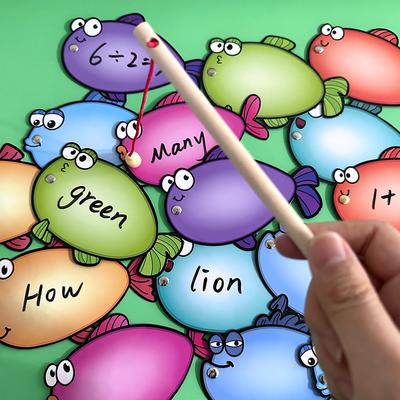
Perfect Picks Market Montessori Reusable Learning Cards Set For Kids Early Education Writing Practice Game Montessori Reusable Learning Cards Set For Kids Early Education Writing Practice GameTurn everyday learning into a fun, handson experience with these Montessori toys designed to spark curiosity and creativity. This engaging set of reusable cards helps young children build essential skills through play, making it perfect for early...39,97 $*Shipping: 0,00 $Secure redirect to the provider
-
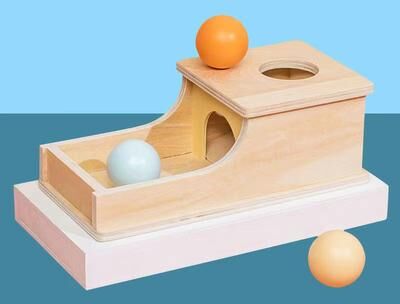
Tiny Tots Teens Trends Drawer Game Early Education Montessori Wooden Pitch Ball Box Preschool Learning Training Toy Drawer Game Early Education Montessori Wooden Pitch Ball Box Preschool Learning Training ToyThis Montessori Wooden Pitch Ball Box Drawer Game is a thoughtfully designed earlyeducation toy that transforms playtime into purposeful learning. Crafted for toddlers and preschoolers, it offers a handson, engaging way to support key developmental...39,97 $*Shipping: 0,00 $Secure redirect to the provider
-
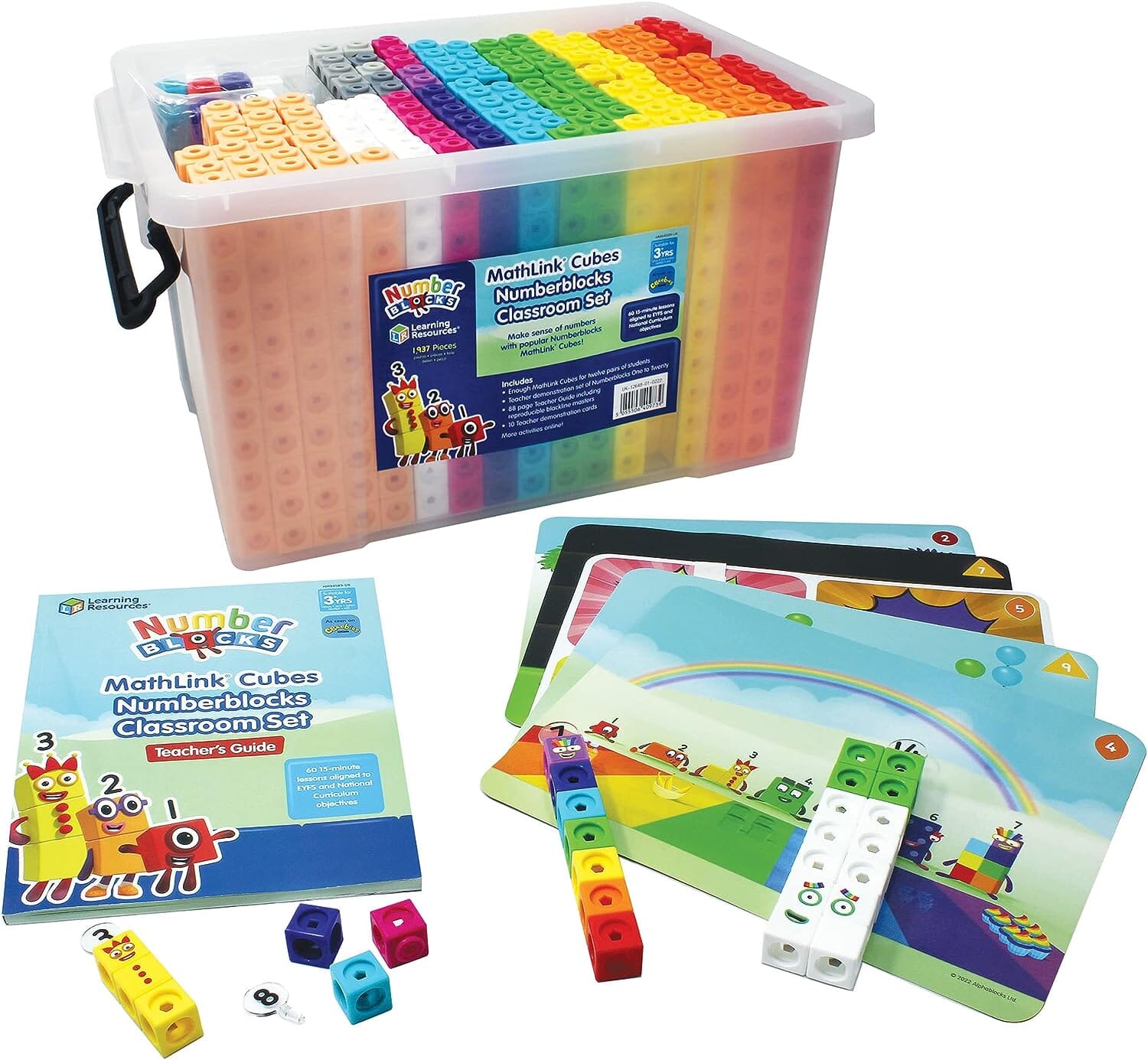
MathLink® Cubes Numberblocks Classroom Set - Ages 3+ - Educational Toy Learning ResourcesThis is the ultimate Numberblocks maths resources set developed to help teachers bring the maths concepts seen in the award-winning CBeebies TV series to life in the classroom. The set includes everything 12 pairs of pupils need to complete the 60 x 15-minute maths learning activities included in the comprehensive 88-page Teacher’s Guide. Activities align with the EYFS and National Curriculum objectives. The ultimate set for teachers to help children master maths by bringing the concepts shown in the award-winning TV series to life in the classroom. Developed to support maths learning in the classroom, this set uses the included comprehensive 88-page Teacher’s Guide to help children build essential early years maths skills including counting, place value, cardinality, subitising, composing and decomposing numbers, skip counting, addition, subtraction, and more for numbers 1-20. The quick and easy lessons incorporate group discussion and hands-on activities in 15 minutes. The Teacher’s Guide is split into three units. Unit one focuses on Numberblocks One to Five. Unit two focuses on Six to Ten, and unit three focuses on Eleven to Twenty. Lessons align with the EYFS and National Curriculum framework. The set has everything 12 pairs of pupils need to complete the activities featured in the Teacher’s Guide. Includes 1905 special edition Numberblocks MathLink Cubes, 20 Numberlings for One to Twenty, 5 double-sided demonstration cards, and the comprehensive Teacher’s Guide in a convenient storage tote.289,99 £*Shipping: 0,00 £Secure redirect to the provider

-
Am I calculating it wrong?
It is difficult to determine if you are calculating it wrong without knowing the specific calculation or context. It is always a good idea to double-check your calculations and ensure you are using the correct formula or method. If you are unsure, seeking help from a teacher, tutor, or colleague can provide valuable feedback and assistance in correcting any mistakes. **
-
"Am I calculating correctly here?"
To ensure that you are calculating correctly, it's important to double-check your work and verify your calculations. You can do this by using a calculator, spreadsheet, or other tools to confirm your results. It's also helpful to review the steps you took to arrive at your answer and make sure they are accurate. If you are still unsure, consider seeking assistance from a colleague or supervisor to review your calculations and provide feedback. **
-
What exactly am I calculating?
You are calculating the total amount of something, such as the cost of a purchase, the distance traveled, or the time it takes to complete a task. The calculation involves performing mathematical operations, such as addition, subtraction, multiplication, or division, to arrive at the final result. The purpose of the calculation is to quantify or measure a specific quantity or value. **
-
"Am I calculating this correctly?"
If you are unsure whether you are calculating something correctly, it's always a good idea to double-check your work. Review the steps you took to arrive at your answer and make sure you didn't make any errors along the way. If you're still unsure, consider asking a colleague or seeking help from a mentor or supervisor to verify your calculations. It's better to take the time to ensure accuracy than to proceed with potentially incorrect information. **


Am I calculating compound interest correctly?
To determine if you are calculating compound interest correctly, you should ensure that you are using the correct formula: A = P(1 + r/n)^(nt), where A is the amount of money accumulated after n years, P is the principal amount, r is the annual interest rate, n is the number of times that interest is compounded per year, and t is the number of years the money is invested for. Double-check your inputs and calculations to make sure they are accurate. If you are still unsure, consider seeking assistance from a financial advisor or using online calculators to verify your results. **
Is the BMI calculator calculating incorrectly?
The accuracy of the BMI calculator depends on the input data provided by the user. If the height and weight measurements are accurate, then the BMI calculation should be correct. However, it is important to note that BMI is a simple measurement and may not always accurately reflect an individual's health status, especially in cases where muscle mass or body composition are not taken into account. It is always recommended to consult with a healthcare professional for a more comprehensive assessment of one's health. **
Top-Angebote
Products related to Calculating:
-
Perfect Picks Market Kids Learning Clock Silent Analog Teaching Wall Clock For Classroom & Bedroom Inch white 8 InchTransform learning into an exciting daily adventure with this Kids learning clock designed to help children master time with confidence. Featuring colorful numbers, clearly marked hands, and an easytoread analog display, it's perfect for young...54,97 $*Shipping: 0,00 $Secure redirect to the provider
-
JoyToys Montessori Wooden Learning Clock Time Teaching Puzzle For Kids Montessori Wooden Learning Clock Time Teaching Puzzle For KidsLearn through play with our wooden learning clock, designed to help children confidently understand time while developing essential early learning skills. This engaging Montessori clock combines handson puzzle play with interactive time practice,...29,97 $*Shipping: 0,00 $Secure redirect to the provider
-
Scholastic Teaching Resources Sight Word Readers Classroom Box SetJumpstart reading success with this irresistible collection of 125 little books that introduce and reinforce the first 50 must-know sight words! Each set includes a sturdy storage box stocked with 5 copies of 25 delightful tales—each presenting two...101,99 $*Shipping: 0,00 $Secure redirect to the provider
-
Perfect Picks Market Montessori Reusable Learning Cards Set For Kids Early Education Writing Practice Game Montessori Reusable Learning Cards Set For Kids Early Education Writing Practice GameTurn everyday learning into a fun, handson experience with these Montessori toys designed to spark curiosity and creativity. This engaging set of reusable cards helps young children build essential skills through play, making it perfect for early...39,97 $*Shipping: 0,00 $Secure redirect to the provider
-
How calculating are you?
As an AI, I am programmed to be highly calculating in terms of processing and analyzing data to provide accurate and relevant information. My algorithms are designed to calculate and generate responses based on the input I receive. However, I do not possess emotions or personal motivations, so my calculations are purely based on logic and data analysis. **
-
What is the difference between calculating roots and calculating a quadratic equation?
Calculating roots involves finding the values of the variable that make the equation equal to zero. This can be done for any type of equation, not just quadratic equations. On the other hand, calculating a quadratic equation involves finding the values of the variable that make the equation equal to a specific constant, typically zero. Quadratic equations specifically have the form ax^2 + bx + c = 0, and the process of solving them often involves factoring, completing the square, or using the quadratic formula. **
-
Am I calculating it wrong?
It is difficult to determine if you are calculating it wrong without knowing the specific calculation or context. It is always a good idea to double-check your calculations and ensure you are using the correct formula or method. If you are unsure, seeking help from a teacher, tutor, or colleague can provide valuable feedback and assistance in correcting any mistakes. **
-
"Am I calculating correctly here?"
To ensure that you are calculating correctly, it's important to double-check your work and verify your calculations. You can do this by using a calculator, spreadsheet, or other tools to confirm your results. It's also helpful to review the steps you took to arrive at your answer and make sure they are accurate. If you are still unsure, consider seeking assistance from a colleague or supervisor to review your calculations and provide feedback. **
Similar search terms for Calculating
-
Tiny Tots Teens Trends Drawer Game Early Education Montessori Wooden Pitch Ball Box Preschool Learning Training Toy Drawer Game Early Education Montessori Wooden Pitch Ball Box Preschool Learning Training ToyThis Montessori Wooden Pitch Ball Box Drawer Game is a thoughtfully designed earlyeducation toy that transforms playtime into purposeful learning. Crafted for toddlers and preschoolers, it offers a handson, engaging way to support key developmental...39,97 $*Shipping: 0,00 $Secure redirect to the provider
-
MathLink® Cubes Numberblocks Classroom Set - Ages 3+ - Educational Toy Learning ResourcesThis is the ultimate Numberblocks maths resources set developed to help teachers bring the maths concepts seen in the award-winning CBeebies TV series to life in the classroom. The set includes everything 12 pairs of pupils need to complete the 60 x 15-minute maths learning activities included in the comprehensive 88-page Teacher’s Guide. Activities align with the EYFS and National Curriculum objectives. The ultimate set for teachers to help children master maths by bringing the concepts shown in the award-winning TV series to life in the classroom. Developed to support maths learning in the classroom, this set uses the included comprehensive 88-page Teacher’s Guide to help children build essential early years maths skills including counting, place value, cardinality, subitising, composing and decomposing numbers, skip counting, addition, subtraction, and more for numbers 1-20. The quick and easy lessons incorporate group discussion and hands-on activities in 15 minutes. The Teacher’s Guide is split into three units. Unit one focuses on Numberblocks One to Five. Unit two focuses on Six to Ten, and unit three focuses on Eleven to Twenty. Lessons align with the EYFS and National Curriculum framework. The set has everything 12 pairs of pupils need to complete the activities featured in the Teacher’s Guide. Includes 1905 special edition Numberblocks MathLink Cubes, 20 Numberlings for One to Twenty, 5 double-sided demonstration cards, and the comprehensive Teacher’s Guide in a convenient storage tote.289,99 £*Shipping: 0,00 £Secure redirect to the provider
-
Perfect Picks Market Kids Emotional Expression Mirror Early Education & Emotional Learning Toy For Toddlers pinkNurture your childs emotional intelligence with the Kids Emotional Expression Mirrora fun, interactive learning tool designed to help toddlers understand and manage their feelings. This innovative toy features six emotional expression cards and a...49,97 $*Shipping: 0,00 $Secure redirect to the provider
-
Perfect Picks Market Kids Learning Clock Silent Analog Teaching Wall Clock For Classroom & Bedroom Inch black 8 InchTransform learning into an exciting daily adventure with this Kids learning clock designed to help children master time with confidence. Featuring colorful numbers, clearly marked hands, and an easytoread analog display, it's perfect for young...54,97 $*Shipping: 0,00 $Secure redirect to the provider
-
What exactly am I calculating?
You are calculating the total amount of something, such as the cost of a purchase, the distance traveled, or the time it takes to complete a task. The calculation involves performing mathematical operations, such as addition, subtraction, multiplication, or division, to arrive at the final result. The purpose of the calculation is to quantify or measure a specific quantity or value. **
-
"Am I calculating this correctly?"
If you are unsure whether you are calculating something correctly, it's always a good idea to double-check your work. Review the steps you took to arrive at your answer and make sure you didn't make any errors along the way. If you're still unsure, consider asking a colleague or seeking help from a mentor or supervisor to verify your calculations. It's better to take the time to ensure accuracy than to proceed with potentially incorrect information. **
-
Am I calculating compound interest correctly?
To determine if you are calculating compound interest correctly, you should ensure that you are using the correct formula: A = P(1 + r/n)^(nt), where A is the amount of money accumulated after n years, P is the principal amount, r is the annual interest rate, n is the number of times that interest is compounded per year, and t is the number of years the money is invested for. Double-check your inputs and calculations to make sure they are accurate. If you are still unsure, consider seeking assistance from a financial advisor or using online calculators to verify your results. **
-
Is the BMI calculator calculating incorrectly?
The accuracy of the BMI calculator depends on the input data provided by the user. If the height and weight measurements are accurate, then the BMI calculation should be correct. However, it is important to note that BMI is a simple measurement and may not always accurately reflect an individual's health status, especially in cases where muscle mass or body composition are not taken into account. It is always recommended to consult with a healthcare professional for a more comprehensive assessment of one's health. **
* All prices are inclusive of VAT and, if applicable, plus shipping costs. The offer information is based on the details provided by the respective shop and is updated through automated processes. Real-time updates do not occur, so deviations can occur in individual cases. ** Note: Parts of this content were created by AI.