Buy unterricht.eu ?
We are moving the project
unterricht.eu .
Are you interested in purchasing the domain
unterricht.eu ?
domain@kv-gmbh.de · 0541-91531010
Buy unterricht.eu ?
What is sustainability in education?
Sustainability in education refers to the integration of environmental, social, and economic principles into the learning experience. It involves teaching students about the importance of preserving natural resources, promoting social equity, and fostering economic prosperity for future generations. Sustainability in education also encompasses the development of critical thinking skills and a sense of responsibility towards the environment and society. It aims to empower students to become informed and active global citizens who can contribute to creating a more sustainable world. **
What is sustainability?
Sustainability is the ability to meet the needs of the present without compromising the ability of future generations to meet their own needs. It involves finding a balance between social, economic, and environmental factors to ensure that resources are used in a way that preserves them for the long term. This can include practices such as reducing waste, conserving natural resources, and promoting renewable energy sources. Overall, sustainability aims to create a world where people and the planet can thrive together for generations to come. **


Similar search terms for Sustainability
Top-Angebote
Products related to Sustainability:
-
Scholastic Teaching Resources Sight Word Readers Classroom Box SetJumpstart reading success with this irresistible collection of 125 little books that introduce and reinforce the first 50 must-know sight words! Each set includes a sturdy storage box stocked with 5 copies of 25 delightful tales—each presenting two...101,99 $*Shipping: 0,00 $Secure redirect to the provider
-
Perfect Picks Market Montessori Reusable Learning Cards Set For Kids Early Education Writing Practice Game Montessori Reusable Learning Cards Set For Kids Early Education Writing Practice GameTurn everyday learning into a fun, handson experience with these Montessori toys designed to spark curiosity and creativity. This engaging set of reusable cards helps young children build essential skills through play, making it perfect for early...39,97 $*Shipping: 0,00 $Secure redirect to the provider
-
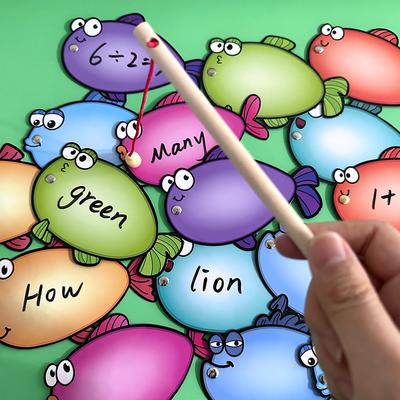
Tiny Tots Teens Trends Drawer Game Early Education Montessori Wooden Pitch Ball Box Preschool Learning Training Toy Drawer Game Early Education Montessori Wooden Pitch Ball Box Preschool Learning Training ToyThis Montessori Wooden Pitch Ball Box Drawer Game is a thoughtfully designed earlyeducation toy that transforms playtime into purposeful learning. Crafted for toddlers and preschoolers, it offers a handson, engaging way to support key developmental...39,97 $*Shipping: 0,00 $Secure redirect to the provider
-
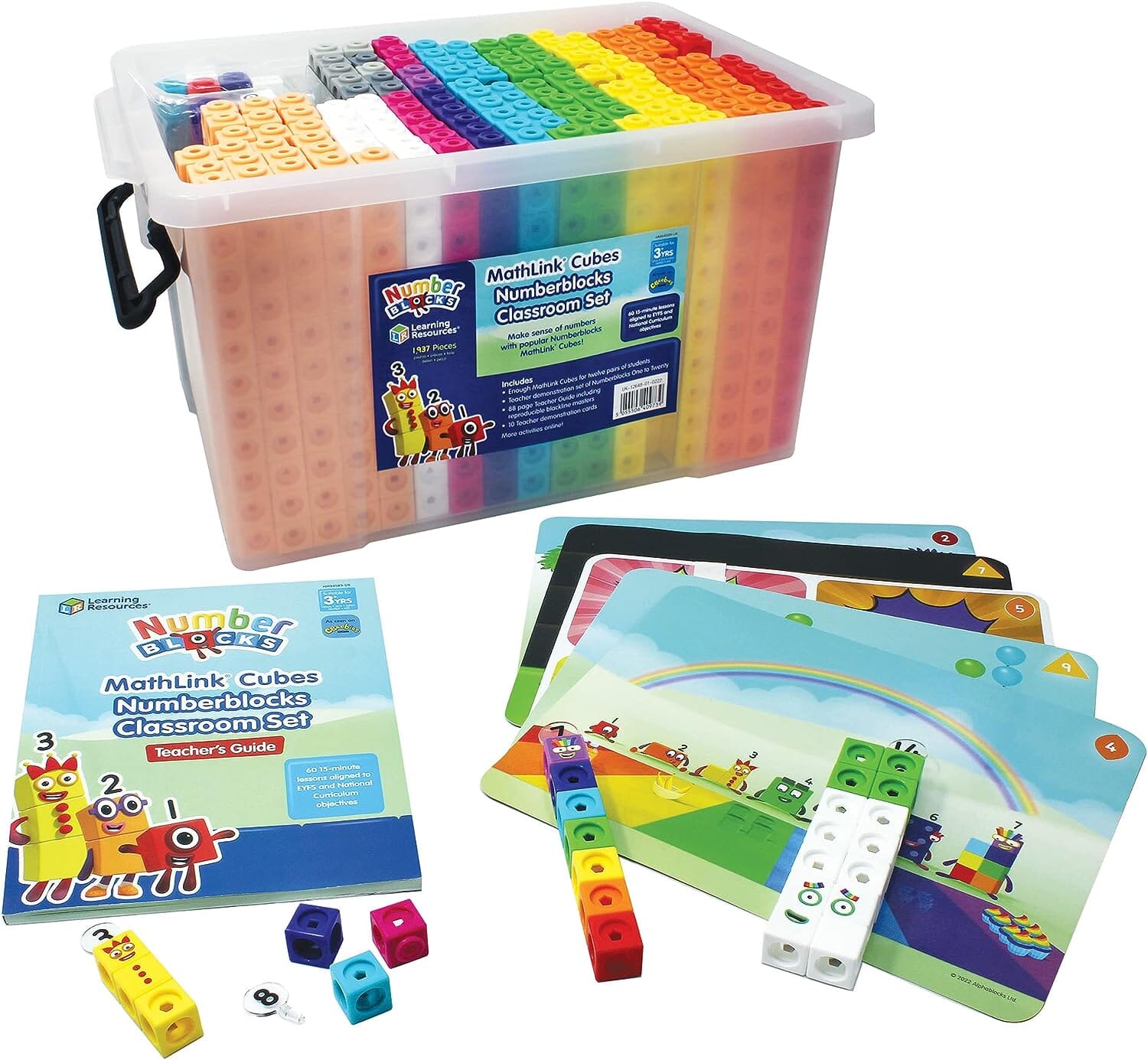
MathLink® Cubes Numberblocks Classroom Set - Ages 3+ - Educational Toy Learning ResourcesThis is the ultimate Numberblocks maths resources set developed to help teachers bring the maths concepts seen in the award-winning CBeebies TV series to life in the classroom. The set includes everything 12 pairs of pupils need to complete the 60 x 15-minute maths learning activities included in the comprehensive 88-page Teacher’s Guide. Activities align with the EYFS and National Curriculum objectives. The ultimate set for teachers to help children master maths by bringing the concepts shown in the award-winning TV series to life in the classroom. Developed to support maths learning in the classroom, this set uses the included comprehensive 88-page Teacher’s Guide to help children build essential early years maths skills including counting, place value, cardinality, subitising, composing and decomposing numbers, skip counting, addition, subtraction, and more for numbers 1-20. The quick and easy lessons incorporate group discussion and hands-on activities in 15 minutes. The Teacher’s Guide is split into three units. Unit one focuses on Numberblocks One to Five. Unit two focuses on Six to Ten, and unit three focuses on Eleven to Twenty. Lessons align with the EYFS and National Curriculum framework. The set has everything 12 pairs of pupils need to complete the activities featured in the Teacher’s Guide. Includes 1905 special edition Numberblocks MathLink Cubes, 20 Numberlings for One to Twenty, 5 double-sided demonstration cards, and the comprehensive Teacher’s Guide in a convenient storage tote.289,99 £*Shipping: 0,00 £Secure redirect to the provider


-
What distinguishes strong sustainability from the normal concept of sustainability?
Strong sustainability goes beyond the traditional concept of sustainability by emphasizing the importance of maintaining the integrity of natural systems and the well-being of future generations. It recognizes that certain natural resources and ecological processes are irreplaceable and cannot be substituted by human-made alternatives. Strong sustainability also prioritizes the protection of biodiversity and the resilience of ecosystems, rather than solely focusing on reducing environmental impacts or achieving short-term economic gains. In essence, strong sustainability requires a more holistic and long-term approach to environmental and social stewardship, placing a greater emphasis on intergenerational equity and the preservation of essential ecological functions. **
-
What is economic sustainability?
Economic sustainability refers to the ability of an economy to support current and future generations by balancing economic growth with social and environmental responsibility. It involves ensuring that resources are used efficiently and equitably to meet the needs of the present without compromising the ability of future generations to meet their own needs. This includes promoting long-term economic development, reducing inequality, and minimizing negative impacts on the environment. Overall, economic sustainability aims to create a stable and resilient economy that can thrive over the long term. **
-
What are sustainability strategies?
Sustainability strategies are plans and actions implemented by organizations to minimize their negative impact on the environment, society, and economy, while maximizing their positive contributions. These strategies often involve setting goals for reducing carbon emissions, waste, and resource consumption, as well as promoting social responsibility and ethical business practices. Sustainability strategies can also include efforts to engage with stakeholders, such as employees, customers, and local communities, to ensure that their needs and concerns are taken into account. Overall, sustainability strategies aim to create long-term value for both the organization and the broader ecosystem in which it operates. **
-
What about sustainability in banks?
Sustainability in banks refers to their commitment to environmental, social, and governance (ESG) principles in their operations and decision-making processes. Banks can promote sustainability by incorporating ESG criteria into their lending and investment practices, supporting green initiatives, and reducing their own carbon footprint. By integrating sustainability into their business models, banks can contribute to a more sustainable and responsible financial system that addresses key global challenges such as climate change and social inequality. Additionally, banks that prioritize sustainability may also benefit from improved risk management, enhanced reputation, and increased customer loyalty. **


What does political sustainability mean?
Political sustainability refers to the ability of a political system or government to maintain stability and continuity over time. It involves ensuring that policies and decisions are made with the long-term well-being of society in mind, rather than focusing solely on short-term gains. Political sustainability also involves fostering trust and cooperation among different political actors, as well as promoting transparency and accountability in governance to ensure the system's resilience and effectiveness. **
What exactly does sustainability mean?
Sustainability refers to meeting the needs of the present without compromising the ability of future generations to meet their own needs. It involves balancing economic, social, and environmental factors to ensure long-term well-being for both people and the planet. This includes practices that promote resource efficiency, social equity, and environmental protection to create a more resilient and equitable society for all. **
Top-Angebote
Products related to Sustainability:
-
Perfect Picks Market Kids Learning Clock Silent Analog Teaching Wall Clock For Classroom & Bedroom Inch black 10 InchTransform learning into an exciting daily adventure with this Kids learning clock designed to help children master time with confidence. Featuring colorful numbers, clearly marked hands, and an easytoread analog display, it's perfect for young...69,97 $*Shipping: 0,00 $Secure redirect to the provider
-
JoyToys Montessori Wooden Learning Clock Time Teaching Puzzle For Kids Montessori Wooden Learning Clock Time Teaching Puzzle For KidsLearn through play with our wooden learning clock, designed to help children confidently understand time while developing essential early learning skills. This engaging Montessori clock combines handson puzzle play with interactive time practice,...29,97 $*Shipping: 0,00 $Secure redirect to the provider
-
Scholastic Teaching Resources Sight Word Readers Classroom Box SetJumpstart reading success with this irresistible collection of 125 little books that introduce and reinforce the first 50 must-know sight words! Each set includes a sturdy storage box stocked with 5 copies of 25 delightful tales—each presenting two...101,99 $*Shipping: 0,00 $Secure redirect to the provider
-
Perfect Picks Market Montessori Reusable Learning Cards Set For Kids Early Education Writing Practice Game Montessori Reusable Learning Cards Set For Kids Early Education Writing Practice GameTurn everyday learning into a fun, handson experience with these Montessori toys designed to spark curiosity and creativity. This engaging set of reusable cards helps young children build essential skills through play, making it perfect for early...39,97 $*Shipping: 0,00 $Secure redirect to the provider
-
What is sustainability in education?
Sustainability in education refers to the integration of environmental, social, and economic principles into the learning experience. It involves teaching students about the importance of preserving natural resources, promoting social equity, and fostering economic prosperity for future generations. Sustainability in education also encompasses the development of critical thinking skills and a sense of responsibility towards the environment and society. It aims to empower students to become informed and active global citizens who can contribute to creating a more sustainable world. **
-
What is sustainability?
Sustainability is the ability to meet the needs of the present without compromising the ability of future generations to meet their own needs. It involves finding a balance between social, economic, and environmental factors to ensure that resources are used in a way that preserves them for the long term. This can include practices such as reducing waste, conserving natural resources, and promoting renewable energy sources. Overall, sustainability aims to create a world where people and the planet can thrive together for generations to come. **
-
What distinguishes strong sustainability from the normal concept of sustainability?
Strong sustainability goes beyond the traditional concept of sustainability by emphasizing the importance of maintaining the integrity of natural systems and the well-being of future generations. It recognizes that certain natural resources and ecological processes are irreplaceable and cannot be substituted by human-made alternatives. Strong sustainability also prioritizes the protection of biodiversity and the resilience of ecosystems, rather than solely focusing on reducing environmental impacts or achieving short-term economic gains. In essence, strong sustainability requires a more holistic and long-term approach to environmental and social stewardship, placing a greater emphasis on intergenerational equity and the preservation of essential ecological functions. **
-
What is economic sustainability?
Economic sustainability refers to the ability of an economy to support current and future generations by balancing economic growth with social and environmental responsibility. It involves ensuring that resources are used efficiently and equitably to meet the needs of the present without compromising the ability of future generations to meet their own needs. This includes promoting long-term economic development, reducing inequality, and minimizing negative impacts on the environment. Overall, economic sustainability aims to create a stable and resilient economy that can thrive over the long term. **
Similar search terms for Sustainability
-
Tiny Tots Teens Trends Drawer Game Early Education Montessori Wooden Pitch Ball Box Preschool Learning Training Toy Drawer Game Early Education Montessori Wooden Pitch Ball Box Preschool Learning Training ToyThis Montessori Wooden Pitch Ball Box Drawer Game is a thoughtfully designed earlyeducation toy that transforms playtime into purposeful learning. Crafted for toddlers and preschoolers, it offers a handson, engaging way to support key developmental...39,97 $*Shipping: 0,00 $Secure redirect to the provider
-
MathLink® Cubes Numberblocks Classroom Set - Ages 3+ - Educational Toy Learning ResourcesThis is the ultimate Numberblocks maths resources set developed to help teachers bring the maths concepts seen in the award-winning CBeebies TV series to life in the classroom. The set includes everything 12 pairs of pupils need to complete the 60 x 15-minute maths learning activities included in the comprehensive 88-page Teacher’s Guide. Activities align with the EYFS and National Curriculum objectives. The ultimate set for teachers to help children master maths by bringing the concepts shown in the award-winning TV series to life in the classroom. Developed to support maths learning in the classroom, this set uses the included comprehensive 88-page Teacher’s Guide to help children build essential early years maths skills including counting, place value, cardinality, subitising, composing and decomposing numbers, skip counting, addition, subtraction, and more for numbers 1-20. The quick and easy lessons incorporate group discussion and hands-on activities in 15 minutes. The Teacher’s Guide is split into three units. Unit one focuses on Numberblocks One to Five. Unit two focuses on Six to Ten, and unit three focuses on Eleven to Twenty. Lessons align with the EYFS and National Curriculum framework. The set has everything 12 pairs of pupils need to complete the activities featured in the Teacher’s Guide. Includes 1905 special edition Numberblocks MathLink Cubes, 20 Numberlings for One to Twenty, 5 double-sided demonstration cards, and the comprehensive Teacher’s Guide in a convenient storage tote.289,99 £*Shipping: 0,00 £Secure redirect to the provider
-
Perfect Picks Market Kids Emotional Expression Mirror Early Education & Emotional Learning Toy For Toddlers pinkNurture your childs emotional intelligence with the Kids Emotional Expression Mirrora fun, interactive learning tool designed to help toddlers understand and manage their feelings. This innovative toy features six emotional expression cards and a...49,97 $*Shipping: 0,00 $Secure redirect to the provider
-
Perfect Picks Market Kids Learning Clock Silent Analog Teaching Wall Clock For Classroom & Bedroom Inch black 8 InchTransform learning into an exciting daily adventure with this Kids learning clock designed to help children master time with confidence. Featuring colorful numbers, clearly marked hands, and an easytoread analog display, it's perfect for young...54,97 $*Shipping: 0,00 $Secure redirect to the provider
-
What are sustainability strategies?
Sustainability strategies are plans and actions implemented by organizations to minimize their negative impact on the environment, society, and economy, while maximizing their positive contributions. These strategies often involve setting goals for reducing carbon emissions, waste, and resource consumption, as well as promoting social responsibility and ethical business practices. Sustainability strategies can also include efforts to engage with stakeholders, such as employees, customers, and local communities, to ensure that their needs and concerns are taken into account. Overall, sustainability strategies aim to create long-term value for both the organization and the broader ecosystem in which it operates. **
-
What about sustainability in banks?
Sustainability in banks refers to their commitment to environmental, social, and governance (ESG) principles in their operations and decision-making processes. Banks can promote sustainability by incorporating ESG criteria into their lending and investment practices, supporting green initiatives, and reducing their own carbon footprint. By integrating sustainability into their business models, banks can contribute to a more sustainable and responsible financial system that addresses key global challenges such as climate change and social inequality. Additionally, banks that prioritize sustainability may also benefit from improved risk management, enhanced reputation, and increased customer loyalty. **
-
What does political sustainability mean?
Political sustainability refers to the ability of a political system or government to maintain stability and continuity over time. It involves ensuring that policies and decisions are made with the long-term well-being of society in mind, rather than focusing solely on short-term gains. Political sustainability also involves fostering trust and cooperation among different political actors, as well as promoting transparency and accountability in governance to ensure the system's resilience and effectiveness. **
-
What exactly does sustainability mean?
Sustainability refers to meeting the needs of the present without compromising the ability of future generations to meet their own needs. It involves balancing economic, social, and environmental factors to ensure long-term well-being for both people and the planet. This includes practices that promote resource efficiency, social equity, and environmental protection to create a more resilient and equitable society for all. **
* All prices are inclusive of VAT and, if applicable, plus shipping costs. The offer information is based on the details provided by the respective shop and is updated through automated processes. Real-time updates do not occur, so deviations can occur in individual cases. ** Note: Parts of this content were created by AI.