Buy unterricht.eu ?
We are moving the project
unterricht.eu .
Are you interested in purchasing the domain
unterricht.eu ?
domain@kv-gmbh.de · 0541-91531010
Buy unterricht.eu ?
Is irony lying?
No, irony is not the same as lying. Irony involves saying or doing something that is the opposite of what is expected or intended, often for humor or to make a point. Lying, on the other hand, involves intentionally deceiving someone by saying something that is not true. While both irony and lying involve saying something that is not straightforward, the intention and context behind them are different. **
Is irony lies?
Irony is not lies. Irony is a literary or rhetorical device that involves using words to convey a meaning that is the opposite of its literal meaning. It is a form of expression that often involves humor or sarcasm. While irony may involve saying something that is not literally true, it is not the same as intentionally telling a falsehood or a lie. Instead, it is a way of conveying a deeper or alternative meaning. **


Similar search terms for Irony
Top-Angebote
Products related to Irony:
-
Scholastic Teaching Resources Sight Word Readers Classroom Box SetJumpstart reading success with this irresistible collection of 125 little books that introduce and reinforce the first 50 must-know sight words! Each set includes a sturdy storage box stocked with 5 copies of 25 delightful tales—each presenting two...101,99 $*Shipping: 0,00 $Secure redirect to the provider
-
Perfect Picks Market Montessori Reusable Learning Cards Set For Kids Early Education Writing Practice Game Montessori Reusable Learning Cards Set For Kids Early Education Writing Practice GameTurn everyday learning into a fun, handson experience with these Montessori toys designed to spark curiosity and creativity. This engaging set of reusable cards helps young children build essential skills through play, making it perfect for early...39,97 $*Shipping: 0,00 $Secure redirect to the provider
-
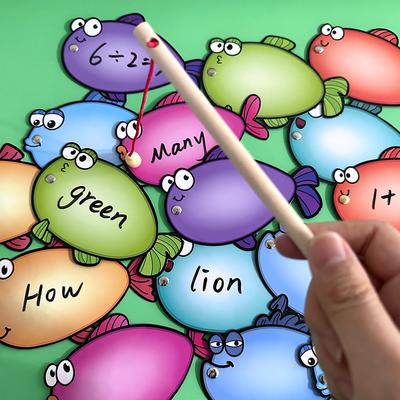
Tiny Tots Teens Trends Drawer Game Early Education Montessori Wooden Pitch Ball Box Preschool Learning Training Toy Drawer Game Early Education Montessori Wooden Pitch Ball Box Preschool Learning Training ToyThis Montessori Wooden Pitch Ball Box Drawer Game is a thoughtfully designed earlyeducation toy that transforms playtime into purposeful learning. Crafted for toddlers and preschoolers, it offers a handson, engaging way to support key developmental...39,97 $*Shipping: 0,00 $Secure redirect to the provider
-
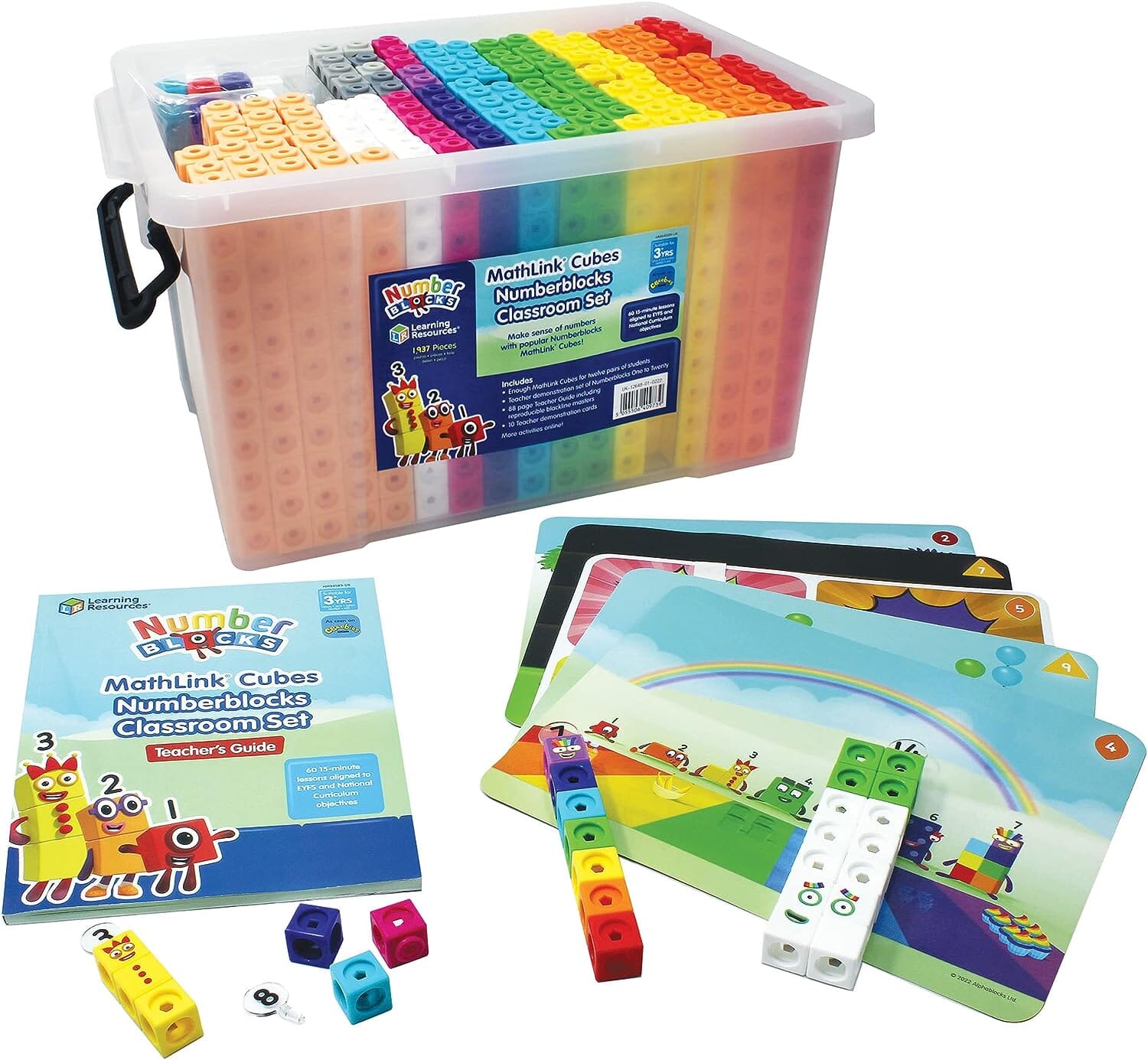
MathLink® Cubes Numberblocks Classroom Set - Ages 3+ - Educational Toy Learning ResourcesThis is the ultimate Numberblocks maths resources set developed to help teachers bring the maths concepts seen in the award-winning CBeebies TV series to life in the classroom. The set includes everything 12 pairs of pupils need to complete the 60 x 15-minute maths learning activities included in the comprehensive 88-page Teacher’s Guide. Activities align with the EYFS and National Curriculum objectives. The ultimate set for teachers to help children master maths by bringing the concepts shown in the award-winning TV series to life in the classroom. Developed to support maths learning in the classroom, this set uses the included comprehensive 88-page Teacher’s Guide to help children build essential early years maths skills including counting, place value, cardinality, subitising, composing and decomposing numbers, skip counting, addition, subtraction, and more for numbers 1-20. The quick and easy lessons incorporate group discussion and hands-on activities in 15 minutes. The Teacher’s Guide is split into three units. Unit one focuses on Numberblocks One to Five. Unit two focuses on Six to Ten, and unit three focuses on Eleven to Twenty. Lessons align with the EYFS and National Curriculum framework. The set has everything 12 pairs of pupils need to complete the activities featured in the Teacher’s Guide. Includes 1905 special edition Numberblocks MathLink Cubes, 20 Numberlings for One to Twenty, 5 double-sided demonstration cards, and the comprehensive Teacher’s Guide in a convenient storage tote.289,99 £*Shipping: 0,00 £Secure redirect to the provider


-
Why is irony important?
Irony is important because it adds depth and complexity to communication by creating layers of meaning. It can be used to convey sarcasm, humor, or criticism in a subtle way. Irony challenges the reader or listener to think more deeply about the message being conveyed and can lead to a greater understanding of the underlying themes or issues being discussed. Ultimately, irony can help to engage the audience and make the message more memorable. **
-
What is their irony?
The irony in the situation is that the person or characters involved are experiencing the opposite of what they expected or intended. This can create a sense of humor or surprise for the audience, as the outcome is unexpected. Irony can also be used to highlight contradictions, hypocrisy, or absurdity in a situation. It often adds depth and complexity to a story or situation, making it more thought-provoking for the audience. **
-
"Is self-irony abnormal?"
Self-irony is not abnormal; in fact, it is a common and healthy trait. Being able to laugh at oneself and not take oneself too seriously can be a sign of humility and self-awareness. It can also be a way to cope with difficult situations and show resilience. As long as it is not taken to an extreme or used as a way to mask deeper insecurities, self-irony is a normal and even beneficial aspect of human behavior. **
-
What is a meta-irony?
Meta-irony refers to a situation where irony is used to comment on or highlight the irony within the original ironic statement or situation. It involves a layer of irony on top of another layer of irony, creating a more complex and self-aware form of humor or commentary. This can add depth and complexity to the original ironic statement, often requiring the audience to think more critically about the intended message. Overall, meta-irony plays with the concept of irony itself, using it in a self-referential and reflective way. **


Is it irony or insult?
It can be difficult to determine whether a statement is intended as irony or insult without understanding the context and the speaker's tone and intention. Irony is a literary device used to convey the opposite of what is expected, often for humorous or satirical effect. On the other hand, an insult is a disrespectful or offensive remark intended to hurt or offend someone. It's important to consider the context and the relationship between the speaker and the listener to determine whether a statement is meant as irony or insult. **
Was that irony from her?
It is possible that it was irony from her, as irony involves saying something that is the opposite of what is expected or intended. To determine if it was irony, one would need to consider the context of the situation, the tone of her voice, and her facial expressions. Irony can be subtle and subjective, so it is important to consider these factors when trying to determine if someone is being ironic. **
Top-Angebote
Products related to Irony:
-
Perfect Picks Market Kids Learning Clock Silent Analog Teaching Wall Clock For Classroom & Bedroom Inch white 8 InchTransform learning into an exciting daily adventure with this Kids learning clock designed to help children master time with confidence. Featuring colorful numbers, clearly marked hands, and an easytoread analog display, it's perfect for young...54,97 $*Shipping: 0,00 $Secure redirect to the provider
-
JoyToys Montessori Wooden Learning Clock Time Teaching Puzzle For Kids Montessori Wooden Learning Clock Time Teaching Puzzle For KidsLearn through play with our wooden learning clock, designed to help children confidently understand time while developing essential early learning skills. This engaging Montessori clock combines handson puzzle play with interactive time practice,...29,97 $*Shipping: 0,00 $Secure redirect to the provider
-
Scholastic Teaching Resources Sight Word Readers Classroom Box SetJumpstart reading success with this irresistible collection of 125 little books that introduce and reinforce the first 50 must-know sight words! Each set includes a sturdy storage box stocked with 5 copies of 25 delightful tales—each presenting two...101,99 $*Shipping: 0,00 $Secure redirect to the provider
-
Perfect Picks Market Montessori Reusable Learning Cards Set For Kids Early Education Writing Practice Game Montessori Reusable Learning Cards Set For Kids Early Education Writing Practice GameTurn everyday learning into a fun, handson experience with these Montessori toys designed to spark curiosity and creativity. This engaging set of reusable cards helps young children build essential skills through play, making it perfect for early...39,97 $*Shipping: 0,00 $Secure redirect to the provider
-
Is irony lying?
No, irony is not the same as lying. Irony involves saying or doing something that is the opposite of what is expected or intended, often for humor or to make a point. Lying, on the other hand, involves intentionally deceiving someone by saying something that is not true. While both irony and lying involve saying something that is not straightforward, the intention and context behind them are different. **
-
Is irony lies?
Irony is not lies. Irony is a literary or rhetorical device that involves using words to convey a meaning that is the opposite of its literal meaning. It is a form of expression that often involves humor or sarcasm. While irony may involve saying something that is not literally true, it is not the same as intentionally telling a falsehood or a lie. Instead, it is a way of conveying a deeper or alternative meaning. **
-
Why is irony important?
Irony is important because it adds depth and complexity to communication by creating layers of meaning. It can be used to convey sarcasm, humor, or criticism in a subtle way. Irony challenges the reader or listener to think more deeply about the message being conveyed and can lead to a greater understanding of the underlying themes or issues being discussed. Ultimately, irony can help to engage the audience and make the message more memorable. **
-
What is their irony?
The irony in the situation is that the person or characters involved are experiencing the opposite of what they expected or intended. This can create a sense of humor or surprise for the audience, as the outcome is unexpected. Irony can also be used to highlight contradictions, hypocrisy, or absurdity in a situation. It often adds depth and complexity to a story or situation, making it more thought-provoking for the audience. **
Similar search terms for Irony
-
Tiny Tots Teens Trends Drawer Game Early Education Montessori Wooden Pitch Ball Box Preschool Learning Training Toy Drawer Game Early Education Montessori Wooden Pitch Ball Box Preschool Learning Training ToyThis Montessori Wooden Pitch Ball Box Drawer Game is a thoughtfully designed earlyeducation toy that transforms playtime into purposeful learning. Crafted for toddlers and preschoolers, it offers a handson, engaging way to support key developmental...39,97 $*Shipping: 0,00 $Secure redirect to the provider
-
MathLink® Cubes Numberblocks Classroom Set - Ages 3+ - Educational Toy Learning ResourcesThis is the ultimate Numberblocks maths resources set developed to help teachers bring the maths concepts seen in the award-winning CBeebies TV series to life in the classroom. The set includes everything 12 pairs of pupils need to complete the 60 x 15-minute maths learning activities included in the comprehensive 88-page Teacher’s Guide. Activities align with the EYFS and National Curriculum objectives. The ultimate set for teachers to help children master maths by bringing the concepts shown in the award-winning TV series to life in the classroom. Developed to support maths learning in the classroom, this set uses the included comprehensive 88-page Teacher’s Guide to help children build essential early years maths skills including counting, place value, cardinality, subitising, composing and decomposing numbers, skip counting, addition, subtraction, and more for numbers 1-20. The quick and easy lessons incorporate group discussion and hands-on activities in 15 minutes. The Teacher’s Guide is split into three units. Unit one focuses on Numberblocks One to Five. Unit two focuses on Six to Ten, and unit three focuses on Eleven to Twenty. Lessons align with the EYFS and National Curriculum framework. The set has everything 12 pairs of pupils need to complete the activities featured in the Teacher’s Guide. Includes 1905 special edition Numberblocks MathLink Cubes, 20 Numberlings for One to Twenty, 5 double-sided demonstration cards, and the comprehensive Teacher’s Guide in a convenient storage tote.289,99 £*Shipping: 0,00 £Secure redirect to the provider
-
Perfect Picks Market Kids Emotional Expression Mirror Early Education & Emotional Learning Toy For Toddlers pinkNurture your childs emotional intelligence with the Kids Emotional Expression Mirrora fun, interactive learning tool designed to help toddlers understand and manage their feelings. This innovative toy features six emotional expression cards and a...49,97 $*Shipping: 0,00 $Secure redirect to the provider
-
Perfect Picks Market Kids Learning Clock Silent Analog Teaching Wall Clock For Classroom & Bedroom Inch black 8 InchTransform learning into an exciting daily adventure with this Kids learning clock designed to help children master time with confidence. Featuring colorful numbers, clearly marked hands, and an easytoread analog display, it's perfect for young...54,97 $*Shipping: 0,00 $Secure redirect to the provider
-
"Is self-irony abnormal?"
Self-irony is not abnormal; in fact, it is a common and healthy trait. Being able to laugh at oneself and not take oneself too seriously can be a sign of humility and self-awareness. It can also be a way to cope with difficult situations and show resilience. As long as it is not taken to an extreme or used as a way to mask deeper insecurities, self-irony is a normal and even beneficial aspect of human behavior. **
-
What is a meta-irony?
Meta-irony refers to a situation where irony is used to comment on or highlight the irony within the original ironic statement or situation. It involves a layer of irony on top of another layer of irony, creating a more complex and self-aware form of humor or commentary. This can add depth and complexity to the original ironic statement, often requiring the audience to think more critically about the intended message. Overall, meta-irony plays with the concept of irony itself, using it in a self-referential and reflective way. **
-
Is it irony or insult?
It can be difficult to determine whether a statement is intended as irony or insult without understanding the context and the speaker's tone and intention. Irony is a literary device used to convey the opposite of what is expected, often for humorous or satirical effect. On the other hand, an insult is a disrespectful or offensive remark intended to hurt or offend someone. It's important to consider the context and the relationship between the speaker and the listener to determine whether a statement is meant as irony or insult. **
-
Was that irony from her?
It is possible that it was irony from her, as irony involves saying something that is the opposite of what is expected or intended. To determine if it was irony, one would need to consider the context of the situation, the tone of her voice, and her facial expressions. Irony can be subtle and subjective, so it is important to consider these factors when trying to determine if someone is being ironic. **
* All prices are inclusive of VAT and, if applicable, plus shipping costs. The offer information is based on the details provided by the respective shop and is updated through automated processes. Real-time updates do not occur, so deviations can occur in individual cases. ** Note: Parts of this content were created by AI.