Buy unterricht.eu ?
We are moving the project
unterricht.eu .
Are you interested in purchasing the domain
unterricht.eu ?
domain@kv-gmbh.de · 0541-91531010
Buy unterricht.eu ?
What is the difference between a regular PLC and a safety PLC?
A regular PLC (Programmable Logic Controller) is designed to control and automate industrial processes, while a safety PLC is specifically designed to ensure the safety of machinery and equipment. Safety PLCs have built-in safety functions and features, such as redundant processing, self-testing, and error checking, to ensure that they can reliably detect and respond to potentially dangerous situations. Additionally, safety PLCs are often certified to meet specific safety standards, such as SIL (Safety Integrity Level) or PL (Performance Level), to ensure their reliability in safety-critical applications. **
How does a PLC work?
A Programmable Logic Controller (PLC) works by receiving input signals from sensors or switches, processing these signals using a program written by the user, and then sending output signals to control various devices such as motors, valves, or lights. The program in the PLC determines how the input signals should be processed and what actions should be taken based on the input. This allows the PLC to automate and control a wide range of industrial processes efficiently and accurately. **


Similar search terms for PLC
Top-Angebote
Products related to PLC:
-
Scholastic Teaching Resources Sight Word Readers Classroom Box SetJumpstart reading success with this irresistible collection of 125 little books that introduce and reinforce the first 50 must-know sight words! Each set includes a sturdy storage box stocked with 5 copies of 25 delightful tales—each presenting two...101,99 $*Shipping: 0,00 $Secure redirect to the provider
-
Perfect Picks Market Montessori Reusable Learning Cards Set For Kids Early Education Writing Practice Game Montessori Reusable Learning Cards Set For Kids Early Education Writing Practice GameTurn everyday learning into a fun, handson experience with these Montessori toys designed to spark curiosity and creativity. This engaging set of reusable cards helps young children build essential skills through play, making it perfect for early...39,97 $*Shipping: 0,00 $Secure redirect to the provider
-
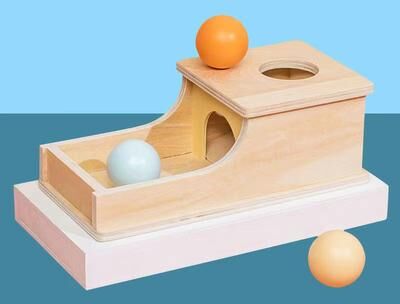
Tiny Tots Teens Trends Drawer Game Early Education Montessori Wooden Pitch Ball Box Preschool Learning Training Toy Drawer Game Early Education Montessori Wooden Pitch Ball Box Preschool Learning Training ToyThis Montessori Wooden Pitch Ball Box Drawer Game is a thoughtfully designed earlyeducation toy that transforms playtime into purposeful learning. Crafted for toddlers and preschoolers, it offers a handson, engaging way to support key developmental...39,97 $*Shipping: 0,00 $Secure redirect to the provider
-
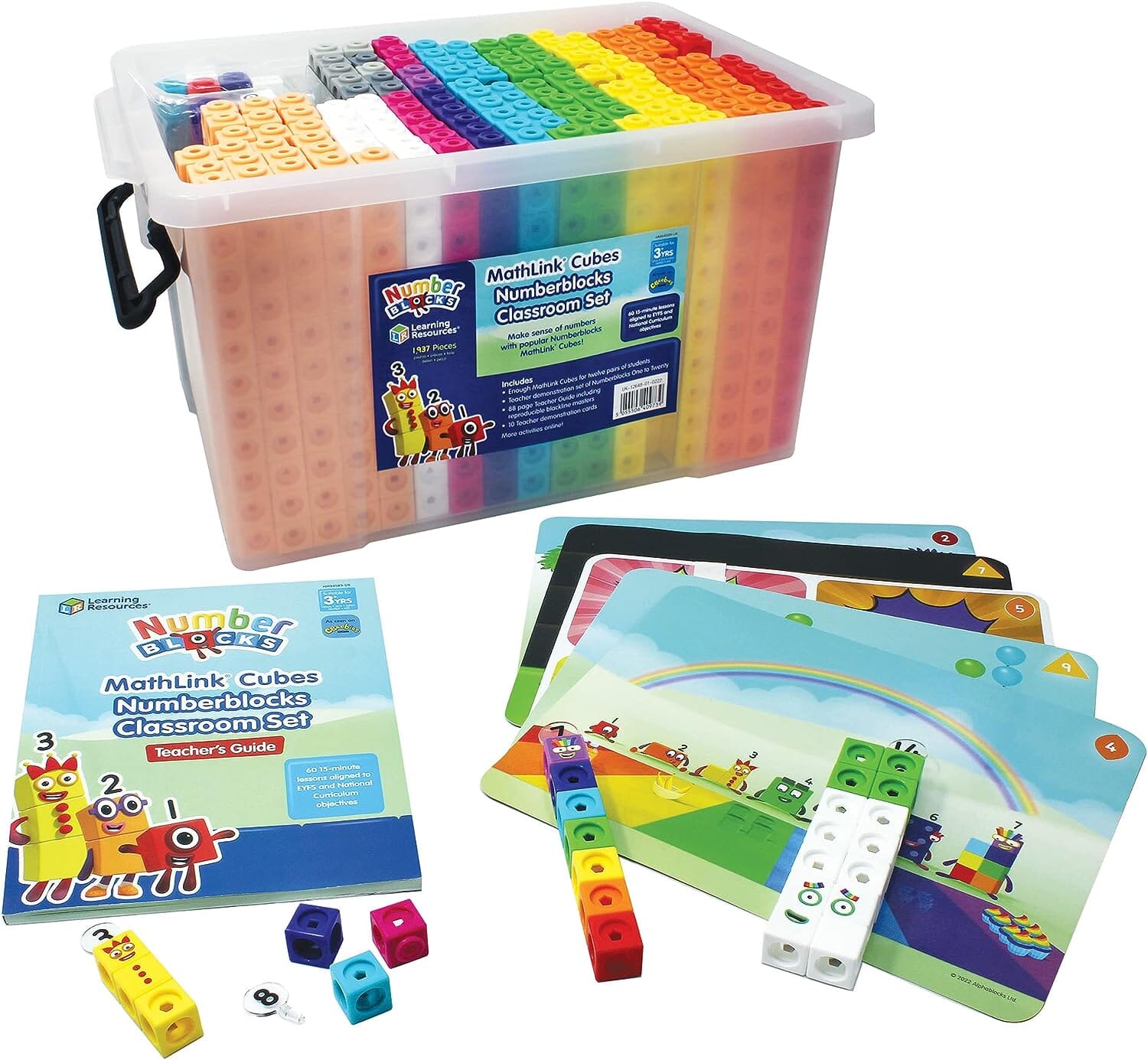
MathLink® Cubes Numberblocks Classroom Set - Ages 3+ - Educational Toy Learning ResourcesThis is the ultimate Numberblocks maths resources set developed to help teachers bring the maths concepts seen in the award-winning CBeebies TV series to life in the classroom. The set includes everything 12 pairs of pupils need to complete the 60 x 15-minute maths learning activities included in the comprehensive 88-page Teacher’s Guide. Activities align with the EYFS and National Curriculum objectives. The ultimate set for teachers to help children master maths by bringing the concepts shown in the award-winning TV series to life in the classroom. Developed to support maths learning in the classroom, this set uses the included comprehensive 88-page Teacher’s Guide to help children build essential early years maths skills including counting, place value, cardinality, subitising, composing and decomposing numbers, skip counting, addition, subtraction, and more for numbers 1-20. The quick and easy lessons incorporate group discussion and hands-on activities in 15 minutes. The Teacher’s Guide is split into three units. Unit one focuses on Numberblocks One to Five. Unit two focuses on Six to Ten, and unit three focuses on Eleven to Twenty. Lessons align with the EYFS and National Curriculum framework. The set has everything 12 pairs of pupils need to complete the activities featured in the Teacher’s Guide. Includes 1905 special edition Numberblocks MathLink Cubes, 20 Numberlings for One to Twenty, 5 double-sided demonstration cards, and the comprehensive Teacher’s Guide in a convenient storage tote.289,99 £*Shipping: 0,00 £Secure redirect to the provider


-
What is the structure of a PLC?
A PLC, or Programmable Logic Controller, typically consists of three main components: the central processing unit (CPU), input/output modules, and a power supply. The CPU is the brain of the PLC and is responsible for executing the control program. The input/output modules are used to interface the PLC with the external devices and sensors, allowing it to receive input signals and send output signals. The power supply provides the necessary electrical power to the PLC. These components are housed within a rugged and compact enclosure, designed to withstand harsh industrial environments. **
-
What functional groups does a PLC consist of?
A Programmable Logic Controller (PLC) typically consists of several functional groups, including input modules, output modules, central processing unit (CPU), memory, communication modules, and power supply. Input modules receive signals from sensors and switches, while output modules control actuators and devices. The CPU processes the input signals based on the program logic stored in memory and communicates with other devices through communication modules. The power supply provides the necessary voltage for the PLC to operate. **
-
How can one get started with PLC programming?
To get started with PLC programming, one can begin by learning the basics of ladder logic, which is the most commonly used programming language for PLCs. There are many online resources, tutorials, and courses available that can help beginners understand the fundamentals of PLC programming. It is also helpful to practice programming on simulation software or a PLC trainer kit to gain hands-on experience. Additionally, networking with experienced PLC programmers and joining online forums or communities can provide valuable insights and support for beginners in the field. **
-
How do you program a flank in PLC?
To program a flank in a PLC (Programmable Logic Controller), you typically use a specific instruction or function block provided by the PLC programming software. This instruction is usually called a "flank" or "edge" trigger and is used to detect a change in the input signal from low to high or high to low. By configuring the parameters of the flank instruction, you can specify which input signal to monitor and what type of edge (rising or falling) to trigger the desired action. Once the flank is programmed, it can be used to activate certain outputs or trigger specific logic within the PLC program based on the defined conditions. **


How do I connect a PLC with 24V?
To connect a PLC with 24V, you will need to use a power supply that can provide a stable 24V DC output. The power supply should be connected to the input terminals of the PLC, ensuring that the positive and negative terminals are correctly connected. It is important to follow the manufacturer's guidelines and wiring diagrams to ensure proper connection and avoid damaging the PLC. Additionally, it is recommended to use appropriate wiring and connectors to ensure a secure and reliable connection. **
What is the connection plan for the PLC?
The connection plan for the PLC involves identifying the input and output devices that need to be connected to the PLC. This includes sensors, switches, motors, and other control devices. The plan also includes determining the type of communication protocol and wiring scheme to be used for connecting the devices to the PLC. Additionally, the plan outlines the addressing and configuration of the input and output devices within the PLC programming software. Overall, the connection plan ensures that the PLC can effectively communicate and control the various devices in the system. **
Top-Angebote
Products related to PLC:
-
Perfect Picks Market Kids Learning Clock Silent Analog Teaching Wall Clock For Classroom & Bedroom Inch white 8 InchTransform learning into an exciting daily adventure with this Kids learning clock designed to help children master time with confidence. Featuring colorful numbers, clearly marked hands, and an easytoread analog display, it's perfect for young...54,97 $*Shipping: 0,00 $Secure redirect to the provider
-
JoyToys Montessori Wooden Learning Clock Time Teaching Puzzle For Kids Montessori Wooden Learning Clock Time Teaching Puzzle For KidsLearn through play with our wooden learning clock, designed to help children confidently understand time while developing essential early learning skills. This engaging Montessori clock combines handson puzzle play with interactive time practice,...29,97 $*Shipping: 0,00 $Secure redirect to the provider
-
Scholastic Teaching Resources Sight Word Readers Classroom Box SetJumpstart reading success with this irresistible collection of 125 little books that introduce and reinforce the first 50 must-know sight words! Each set includes a sturdy storage box stocked with 5 copies of 25 delightful tales—each presenting two...101,99 $*Shipping: 0,00 $Secure redirect to the provider
-
Perfect Picks Market Montessori Reusable Learning Cards Set For Kids Early Education Writing Practice Game Montessori Reusable Learning Cards Set For Kids Early Education Writing Practice GameTurn everyday learning into a fun, handson experience with these Montessori toys designed to spark curiosity and creativity. This engaging set of reusable cards helps young children build essential skills through play, making it perfect for early...39,97 $*Shipping: 0,00 $Secure redirect to the provider
-
What is the difference between a regular PLC and a safety PLC?
A regular PLC (Programmable Logic Controller) is designed to control and automate industrial processes, while a safety PLC is specifically designed to ensure the safety of machinery and equipment. Safety PLCs have built-in safety functions and features, such as redundant processing, self-testing, and error checking, to ensure that they can reliably detect and respond to potentially dangerous situations. Additionally, safety PLCs are often certified to meet specific safety standards, such as SIL (Safety Integrity Level) or PL (Performance Level), to ensure their reliability in safety-critical applications. **
-
How does a PLC work?
A Programmable Logic Controller (PLC) works by receiving input signals from sensors or switches, processing these signals using a program written by the user, and then sending output signals to control various devices such as motors, valves, or lights. The program in the PLC determines how the input signals should be processed and what actions should be taken based on the input. This allows the PLC to automate and control a wide range of industrial processes efficiently and accurately. **
-
What is the structure of a PLC?
A PLC, or Programmable Logic Controller, typically consists of three main components: the central processing unit (CPU), input/output modules, and a power supply. The CPU is the brain of the PLC and is responsible for executing the control program. The input/output modules are used to interface the PLC with the external devices and sensors, allowing it to receive input signals and send output signals. The power supply provides the necessary electrical power to the PLC. These components are housed within a rugged and compact enclosure, designed to withstand harsh industrial environments. **
-
What functional groups does a PLC consist of?
A Programmable Logic Controller (PLC) typically consists of several functional groups, including input modules, output modules, central processing unit (CPU), memory, communication modules, and power supply. Input modules receive signals from sensors and switches, while output modules control actuators and devices. The CPU processes the input signals based on the program logic stored in memory and communicates with other devices through communication modules. The power supply provides the necessary voltage for the PLC to operate. **
Similar search terms for PLC
-
Tiny Tots Teens Trends Drawer Game Early Education Montessori Wooden Pitch Ball Box Preschool Learning Training Toy Drawer Game Early Education Montessori Wooden Pitch Ball Box Preschool Learning Training ToyThis Montessori Wooden Pitch Ball Box Drawer Game is a thoughtfully designed earlyeducation toy that transforms playtime into purposeful learning. Crafted for toddlers and preschoolers, it offers a handson, engaging way to support key developmental...39,97 $*Shipping: 0,00 $Secure redirect to the provider
-
MathLink® Cubes Numberblocks Classroom Set - Ages 3+ - Educational Toy Learning ResourcesThis is the ultimate Numberblocks maths resources set developed to help teachers bring the maths concepts seen in the award-winning CBeebies TV series to life in the classroom. The set includes everything 12 pairs of pupils need to complete the 60 x 15-minute maths learning activities included in the comprehensive 88-page Teacher’s Guide. Activities align with the EYFS and National Curriculum objectives. The ultimate set for teachers to help children master maths by bringing the concepts shown in the award-winning TV series to life in the classroom. Developed to support maths learning in the classroom, this set uses the included comprehensive 88-page Teacher’s Guide to help children build essential early years maths skills including counting, place value, cardinality, subitising, composing and decomposing numbers, skip counting, addition, subtraction, and more for numbers 1-20. The quick and easy lessons incorporate group discussion and hands-on activities in 15 minutes. The Teacher’s Guide is split into three units. Unit one focuses on Numberblocks One to Five. Unit two focuses on Six to Ten, and unit three focuses on Eleven to Twenty. Lessons align with the EYFS and National Curriculum framework. The set has everything 12 pairs of pupils need to complete the activities featured in the Teacher’s Guide. Includes 1905 special edition Numberblocks MathLink Cubes, 20 Numberlings for One to Twenty, 5 double-sided demonstration cards, and the comprehensive Teacher’s Guide in a convenient storage tote.289,99 £*Shipping: 0,00 £Secure redirect to the provider
-
Perfect Picks Market Kids Emotional Expression Mirror Early Education & Emotional Learning Toy For Toddlers pinkNurture your childs emotional intelligence with the Kids Emotional Expression Mirrora fun, interactive learning tool designed to help toddlers understand and manage their feelings. This innovative toy features six emotional expression cards and a...49,97 $*Shipping: 0,00 $Secure redirect to the provider
-
Perfect Picks Market Kids Learning Clock Silent Analog Teaching Wall Clock For Classroom & Bedroom Inch black 8 InchTransform learning into an exciting daily adventure with this Kids learning clock designed to help children master time with confidence. Featuring colorful numbers, clearly marked hands, and an easytoread analog display, it's perfect for young...54,97 $*Shipping: 0,00 $Secure redirect to the provider
-
How can one get started with PLC programming?
To get started with PLC programming, one can begin by learning the basics of ladder logic, which is the most commonly used programming language for PLCs. There are many online resources, tutorials, and courses available that can help beginners understand the fundamentals of PLC programming. It is also helpful to practice programming on simulation software or a PLC trainer kit to gain hands-on experience. Additionally, networking with experienced PLC programmers and joining online forums or communities can provide valuable insights and support for beginners in the field. **
-
How do you program a flank in PLC?
To program a flank in a PLC (Programmable Logic Controller), you typically use a specific instruction or function block provided by the PLC programming software. This instruction is usually called a "flank" or "edge" trigger and is used to detect a change in the input signal from low to high or high to low. By configuring the parameters of the flank instruction, you can specify which input signal to monitor and what type of edge (rising or falling) to trigger the desired action. Once the flank is programmed, it can be used to activate certain outputs or trigger specific logic within the PLC program based on the defined conditions. **
-
How do I connect a PLC with 24V?
To connect a PLC with 24V, you will need to use a power supply that can provide a stable 24V DC output. The power supply should be connected to the input terminals of the PLC, ensuring that the positive and negative terminals are correctly connected. It is important to follow the manufacturer's guidelines and wiring diagrams to ensure proper connection and avoid damaging the PLC. Additionally, it is recommended to use appropriate wiring and connectors to ensure a secure and reliable connection. **
-
What is the connection plan for the PLC?
The connection plan for the PLC involves identifying the input and output devices that need to be connected to the PLC. This includes sensors, switches, motors, and other control devices. The plan also includes determining the type of communication protocol and wiring scheme to be used for connecting the devices to the PLC. Additionally, the plan outlines the addressing and configuration of the input and output devices within the PLC programming software. Overall, the connection plan ensures that the PLC can effectively communicate and control the various devices in the system. **
* All prices are inclusive of VAT and, if applicable, plus shipping costs. The offer information is based on the details provided by the respective shop and is updated through automated processes. Real-time updates do not occur, so deviations can occur in individual cases. ** Note: Parts of this content were created by AI.